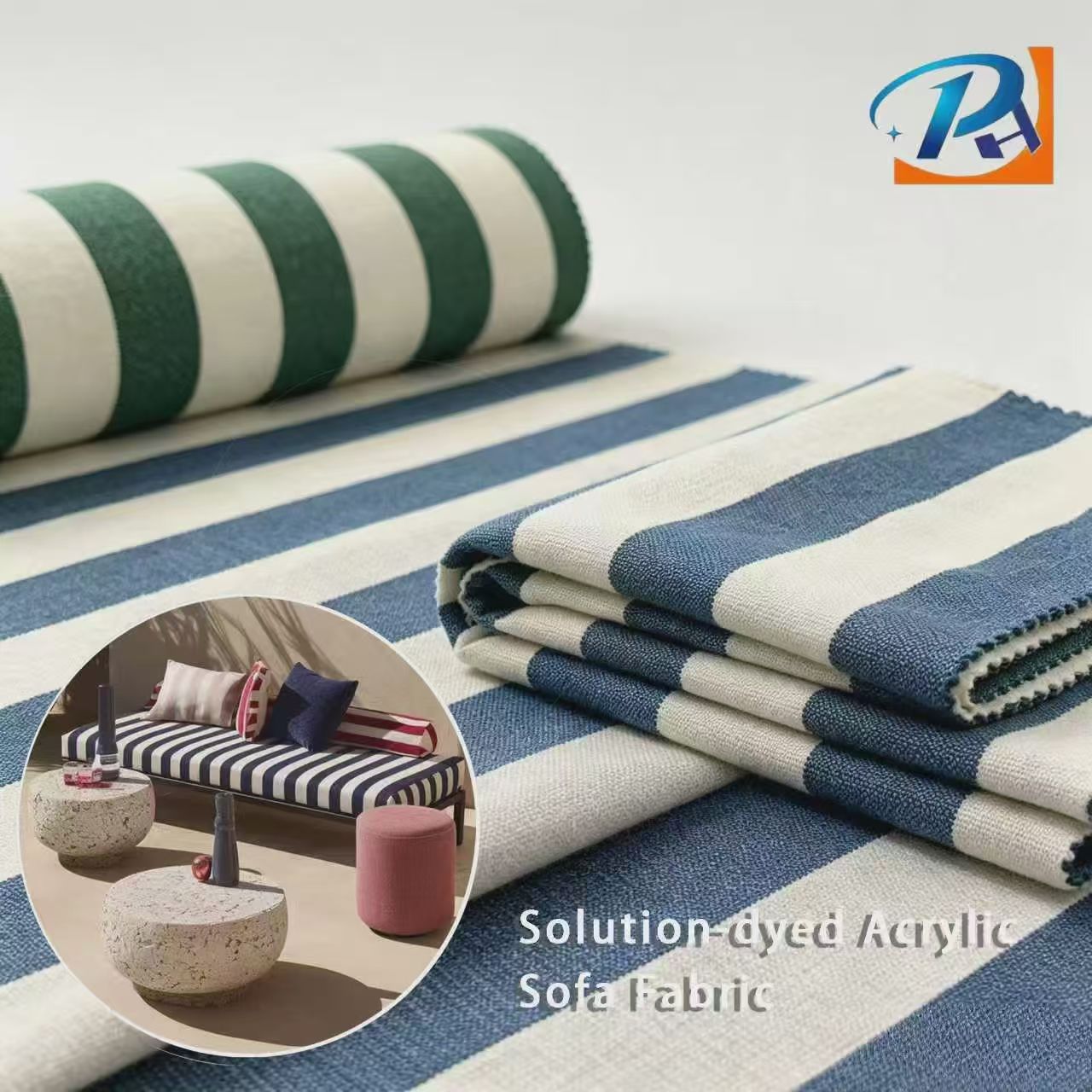
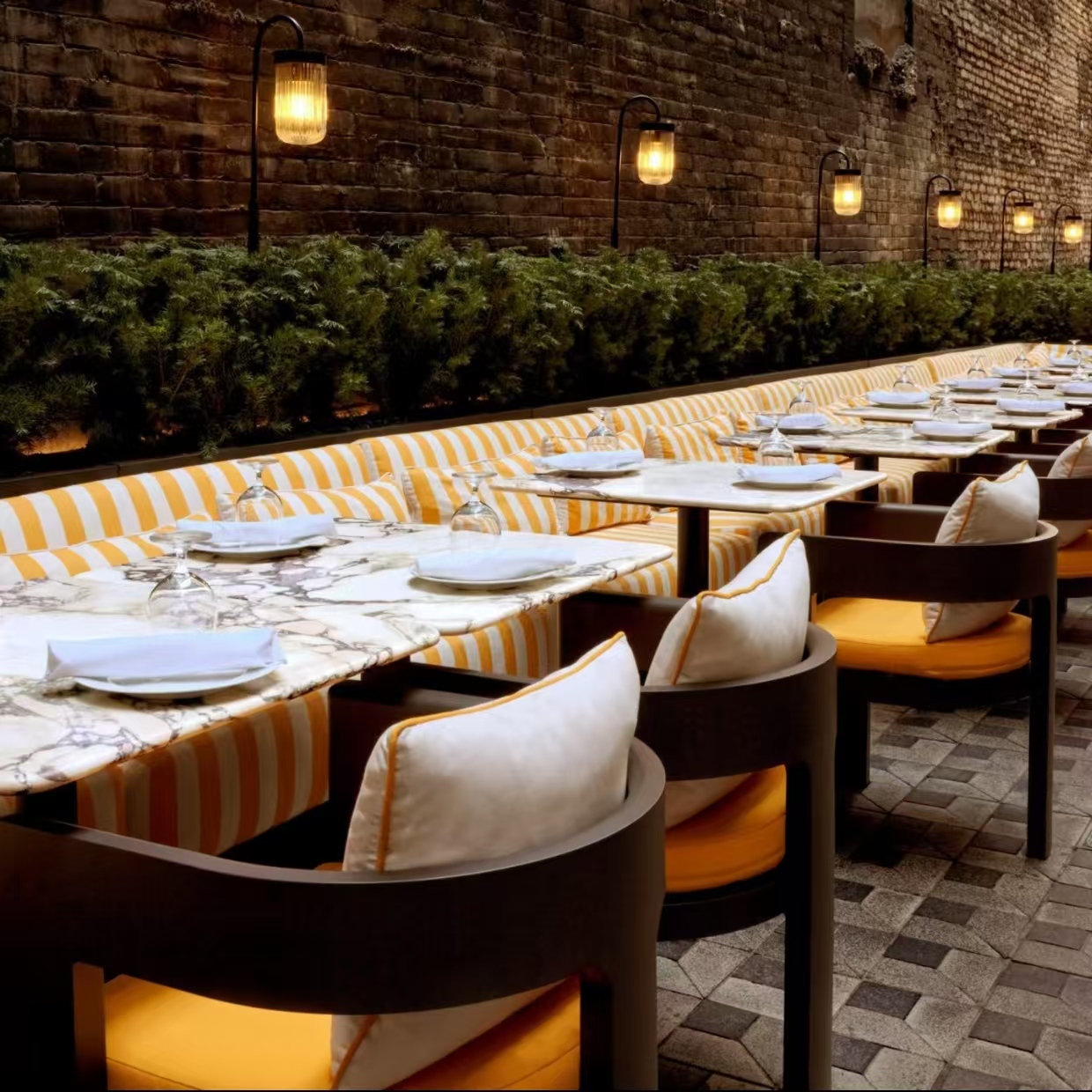
Having long served the outdoor protection and boat cover market across coastal Spain, I’ve noticed a common dilemma among local installers and suppliers. The Mediterranean coastline features extremely harsh operating conditions: heavy salt spray, intense year-round UV radiation, large day-night temperature differences, and persistent strong winds. When selecting fabrics for high-end yacht and boat covers, most industry partners struggle to decide between solution-dyed acrylic and solution-dyed polyester.
Many people assume that all solution-dyed fabrics perform similarly, with price being the only real difference. However, practical project experience along the Spanish coast proves otherwise. The two materials vary greatly in corrosion resistance, anti-aging performance, dimensional stability, and long-term operational costs. There is no absolute “better” fabric — only the most suitable option for specific scenarios, one that reduces after-sales pressure and maximizes long-term profitability. Based on real coastal project results, I will break down the most practical selection logic for fellow industry professionals.
First, a key industry baseline: both fabrics adopt solution-dyed technology, outperforming traditional post-dyed materials by a significant margin. The color is integrated into the fiber core rather than merely coating the surface. This ensures no fading, whitening, or patchy discoloration under prolonged sun exposure, fully meeting Spain’s high standards for outdoor textile color fastness. The real gap in service life does not come from UV fading, but from salt spray resistance, anti-chalking performance, flexible stability, and long-term aging resistance in harsh coastal environments.
Solution-dyed acrylic has long been the preferred material for premium yacht covers in Spain. Anyone working on coastal projects knows that salt corrosion and sea wind erosion are far more damaging than sunlight alone. Ordinary outdoor fabrics quickly chalk, harden, and turn brittle in coastal conditions, cracking after repeated wind tension and temperature changes.
In contrast, acrylic’s inherent fiber structure delivers excellent resistance against salt corrosion, ozone degradation, and chemical erosion. Under continuous salt deposition, intense heat, and constant wind stress, the fabric remains structurally stable without chalking, hardening, or cracking. It maintains consistent performance under extreme temperature fluctuations — staying flexible in cold weather and resisting sagging or softening in high heat. Boat covers made from solution-dyed acrylic always keep a neat, tight fit, ensuring reliable dustproof, waterproof, and overall protective performance year-round.
Acrylic also leads in appearance and customer satisfaction. Its elegant matte finish and balanced color saturation perfectly match the premium positioning of yachts. It resists yellowing and dulling after years of outdoor use. The only downside is its slightly higher initial material cost compared to polyester.
Solution-dyed polyester offers straightforward advantages: high density, strong mechanical performance, excellent tear resistance, and great rigidity. Finished covers look neat and structured. With a solid level-6 color fastness rating, it performs well against UV rays and works perfectly for general outdoor protection in inland, non-coastal areas, offering outstanding value for money.
However, its weaknesses become obvious in coastal marine environments. Polyester fibers have poor natural resistance to salt spray. After prolonged exposure to salty humidity and sea wind, fibers gradually degrade, turn brittle, and lose elasticity. Many local partners report that polyester boat covers often look unfaded but internally aged after approximately two years of coastal use. The fabric develops subtle chalking, stiffens significantly, and cracks easily under strong wind pressure.
This is a widespread industry misunderstanding: most buyers only check color stability and ignore structural aging. In coastal regions, polyester suffers from visual integrity with internal failure. Its shortened service life leads to frequent replacements, repeated maintenance, and substantially higher long-term labor and after-sales costs.
To conclude with practical, field-tested selection advice for Spanish coastal professionals: For premium yachts permanently docked seaside requiring 3–5 years of stable service, low maintenance, and premium appearance, solution-dyed acrylic is undoubtedly the more cost-effective choice. Despite a higher upfront price, its superior salt tolerance, anti-aging properties, and stable structure minimize complaints, rework, and replacements — delivering far better long-term returns and helping you retain high-end clientele.
Solution-dyed polyester works well for short-term rental boats, temporary coverage, budget-limited projects, and service cycles under two years. Nevertheless, if you aim to develop a stable, high-reputation business in Spain’s mid-to-high-end coastal marine market, solution-dyed acrylic is the optimal fabric choice that adapts perfectly to local climate conditions, reduces after-sales risks, and secures your profit margin.


 EN
EN
 AR
AR
 NL
NL
 FR
FR
 DE
DE
 HI
HI
 IT
IT
 JA
JA
 KO
KO
 PT
PT
 RU
RU
 ES
ES
 TL
TL
 IW
IW
 ID
ID
 VI
VI
 TH
TH
 TR
TR
 FA
FA