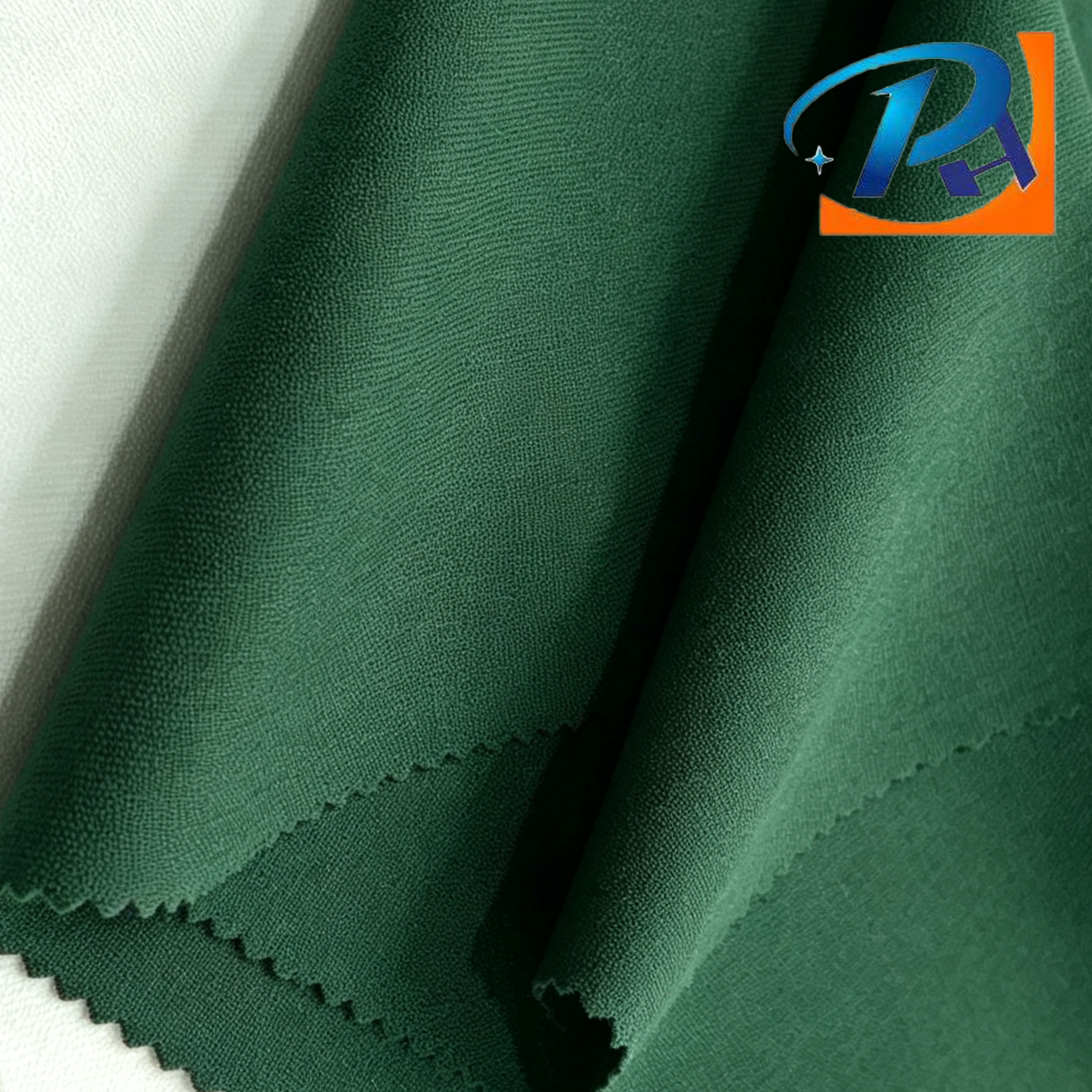
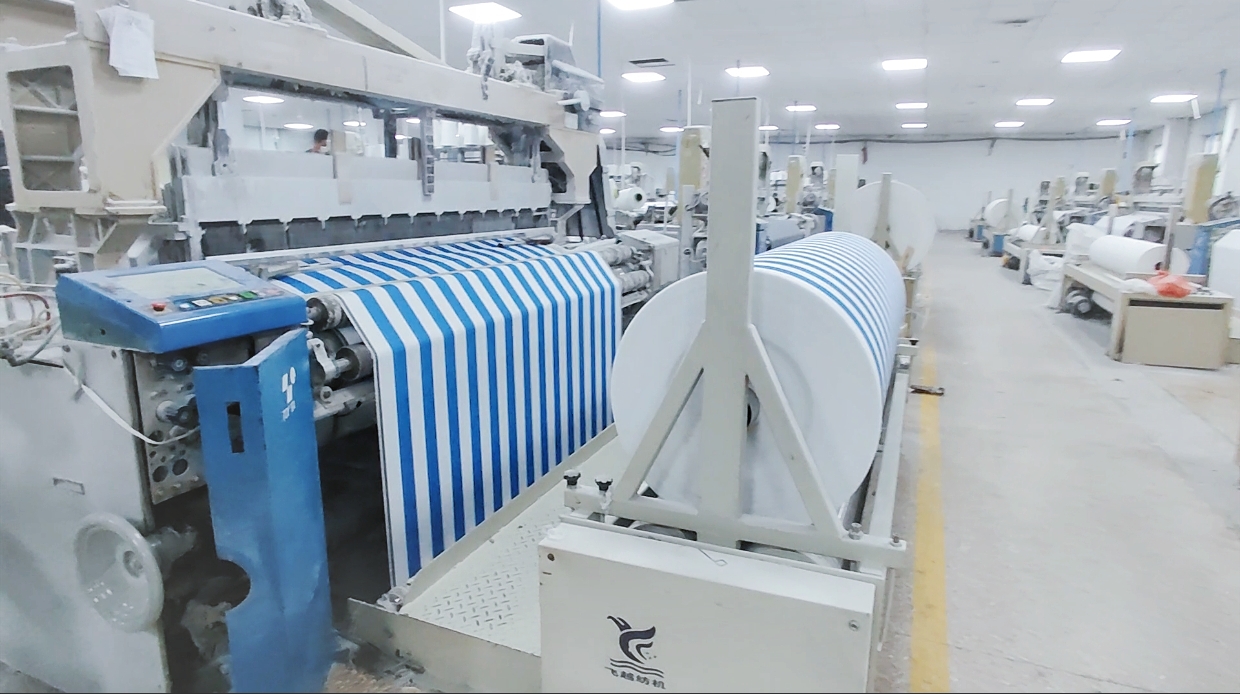
The soft furnishing and outdoor fabric industry has long been plagued by a universal dilemma: most fabrics are either attractive but non-durable, or durable but aesthetically dull. Low-cost fabrics feature affordable pricing but a short service life, prone to fading under sunlight, mildew after rain exposure, and rapid aging that leads to high recurring renovation costs. Imported high-end weather-resistant fabrics deliver reliable performance yet come with exorbitant procurement prices, leaving numerous engineering, home furnishing, and cultural tourism projects in a tough trade-off.
With years of in-depth experience in textile fabric R&D and terminal project implementation, we have witnessed countless failures caused by improper fabric selection: outdoor fabrics fading within half a year, indoor soft furnishings turning worn after one year of use, and fabrics aging rapidly in coastal environments. The large-scale application of solution-dyed acrylic soft fabric effectively breaks this industry bottleneck, balancing four core advantages — high aesthetics, superior weather resistance, cost efficiency, and long service life — making it one of the optimal solutions for mid-to-high-end long-service-life fabrics.
Nevertheless, market cognition of this premium fabric remains highly confusing. Most clients only notice its higher price compared with ordinary acrylic fabrics, but fail to understand the core value behind the cost gap, nor distinguish genuine high-quality products from widespread counterfeits. A large number of low-end knockoffs hyping the "solution-dyed" concept have undermined the overall reputation of this category, overshadowing authentic premium solution-dyed fabrics.
Based on our decades of production and R&D experience, tens of thousands of square meters of practical project verification, and long-term outdoor performance tests, this article abandons empty industry parameter rhetoric. It comprehensively analyzes the true value of solution-dyed acrylic soft fabric from process essence, core technical barriers, practical performance, application boundaries, market patterns and future trends, helping industry practitioners, purchasers and terminal clients fully recognize its core strengths and practical application logic.
1. Process Essence: Source Manufacturing Determines the Upper Limit of Fabric Grade
Most conventional acrylic soft fabrics available on the market adopt the traditional "weaving first, dyeing later" process. With low technical thresholds and standardized procedures, transparent undyed acrylic fibers are woven into grey fabrics, then colored by high-temperature soaking in dye vats. In principle, this method relies on physical adsorption of dyes, with pigments only attaching to the surface and gaps of fibers without molecular-level bonding.
This inherent process defect is the fundamental cause of fading, color degradation and poor weather resistance of traditional acrylic fabrics — no post-finishing treatment can fundamentally remedy this structural flaw.
Solution dyeing is widely recognized as a high-end coloration technology in the textile industry, with a completely opposite manufacturing logic: color matching first, spinning synchronously, and weaving lastly. During production, special acrylic color masterbatch is fully blended with polyacrylonitrile resin melt, and molecular-level uniform fusion is achieved through vacuum homogenization and defoaming. The mixture is then processed through spinning, stretching and shaping, precision weaving and soft finishing.
The final fibers are fully dyed from core to surface with uniform color, rather than relying on surface coating or adsorption, realizing genuine in-fiber color fixation.
From an industrial practical perspective, the performance gap between the two processes is structural and irreversible. Dyes on conventionally dyed fabrics peel off easily under UV radiation, water erosion and friction, leading to inevitable fading and aging during long-term use. In contrast, the color of solution-dyed fabrics is integrated with fiber molecules, fundamentally eliminating color fading, color mottling and color degradation.
Meanwhile, the solution dyeing process omits repeated rinsing and high-temperature color fixation procedures. It not only greatly improves fabric dimensional stability and batch consistency, but also reduces production energy consumption and sewage discharge. With superior quality and eco-friendly production attributes, it fully complies with current textile industry environmental compliance standards.
2. Technical Barriers: Amateurs Focus on Price, Professionals Focus on Craft — High-End Production Is Highly Concentrated
The market is flooded with low-cost counterfeit "solution-dyed acrylic fabrics". Most small workshops produce shoddy imitations through semi-solution blending, surface coating dyeing and inferior color masterbatch mixing, misleading end customers via information asymmetry. In fact, few enterprises can stably manufacture high-standard solution-dyed acrylic soft fabrics, as this seemingly simple product involves multiple core technical barriers inaccessible to small-scale manufacturers.
2.1 Specialized Color Masterbatch Adaptation and Melt Homogenization Barrier
Polyacrylonitrile melt is extremely sensitive to fluidity and temperature. Universal color masterbatches for polyester and cotton are incompatible with acrylic spinning systems, easily causing fiber breakage, surface color spots and excessive batch color difference. Premium standardized production requires dedicated high-temperature resistant acrylic color masterbatch, with precise proportioning based on fabric weight, color shade and application scenarios.
Professional vacuum homogenization equipment ensures uniform fusion of melt and color masterbatch. Formal high-end manufacturers control batch color difference within ΔE≤1.0, delivering uniform, vivid and saturated colors — a precision standard unachievable by low-end counterfeits.
2.2 Low-Temperature Stable Spinning and Shaping Barrier
Acrylic melt has poor high-temperature resistance. Excessive temperature causes color masterbatch aging and resin decomposition, resulting in dull, yellowish and lifeless fabric colors. The dull texture of most market imitations mainly stems from inaccurate temperature control during spinning.
High-quality solution-dyed fabrics adopt segmented low-temperature spinning technology, precisely matching three core parameters: spinning speed, stretching ratio and shaping temperature. This preserves fiber tensile strength, flexibility and structural stability while maintaining pure, saturated and vivid colors. This sophisticated temperature control system relies on high-end equipment and long-term process accumulation, constituting an insurmountable gap for small workshops.
2.3 Balance Barrier Between Soft Texture and Multifunctional Modification
Pure solution-spun grey fabrics are stiff and rough without soft fabric characteristics, making them unfit for home soft furnishing, outdoor decoration and apparel applications. Qualified solution-dyed acrylic soft fabrics must undergo wet and dry composite precision sanding and softening finishing.
This process optimizes fabric surface texture without damaging the integral in-fiber color fixation, creating a wool-like fluffy and soft touch. Meanwhile, functional coatings including UV resistance, water repellency, mildew resistance and anti-static properties can be customized to achieve a perfect balance of softness, aesthetics, durability and practicality. This integrated customized finishing capability is the core distinction between genuine high-end products and low-end imitations.
3. Core Performance: Verified by Practical Tests — Four Hard Advantages Outperform Conventionally Dyed Fabrics
Based on years of product testing and terminal project practice, the superior performance of solution-dyed acrylic soft fabric is not based on theoretical parameters, but verified through long-term and multi-scene practical tests. It achieves all-round performance upgrades compared with traditional post-dyed acrylic fabrics, with four core strengths as follows.
3.1 Superior Color Fastness with Long-Term Zero Obvious Color Difference
Color stability is the most competitive advantage of solution-dyed fabrics. Qualified high-end products reach level 3–4 sunlight fastness and pass 2,000-hour accelerated aging tests, maintaining stable color under simulated extreme long-term outdoor light exposure.
Practical project cases prove that the fabric retains consistent color without obvious fading or graying after more than 5 years of open-air use. In contrast, traditional post-dyed acrylic fabrics fade slightly after several washes and suffer severe color degradation and mottling after half a year of outdoor exposure, failing to meet long-term decoration and commercial display standards. The fabric also features excellent friction and washing fastness, avoiding color staining or fading after repeated cleaning, ensuring far longer aesthetic retention than similar products.
3.2 Strong Environmental Adaptability and Stable Weather Aging Resistance
Benefiting from the stable molecular structure of acrylic fiber, improved fabric compactness brought by solution dyeing, and professional UV-resistant modification, the fabric blocks over 99% of ultraviolet rays, fundamentally inhibiting fiber photoaging, brittleness and fracture.
It adapts to an extreme temperature range of -30℃ to 80℃, remaining structurally stable without cracking in low temperatures or deforming in high temperatures. It resists rain erosion, mildew growth, wind sand abrasion and mild acid-base corrosion in harsh environments including humid southern climates, windy and cold northern regions, and high-salinity coastal areas. It is one of the few flexible soft furnishing fabrics suitable for long-term open-air service.
3.3 Premium Tactile Texture and Upgraded Physical Durability
Precision soft sanding treatment endows the fabric with fluffy fibers and delicate, warm texture, completely eliminating the rigid plastic feel of ordinary chemical fibers. Its touch is highly similar to natural wool and cashmere, with the advantages of light weight, excellent drapability and neat appearance, fully meeting the aesthetic and tactile requirements of mid-to-high-end decoration scenarios.
In terms of physical performance, the fabric boasts outstanding wear resistance, tensile strength and tear resistance, with over 20,000 times of abrasion resistance. It resists deformation and damage from daily friction and stretching, and avoids shrinkage, wrinkling and pilling after washing. It maintains a flat appearance and full color for a long time, perfectly balancing premium texture and long-term durability.
3.6 Low-Carbon & Cost-Effective with Better Full-Lifecycle Value
The integrated solution dyeing process streamlines traditional procedures including grey fabric dyeing, repeated rinsing and high-temperature color fixation, saving water and electricity while reducing emissions, fully conforming to national green textile production standards.
Although the initial procurement cost is higher than ordinary post-dyed fabrics, its service life is several times longer with minimal maintenance and replacement costs. It delivers lower full-lifecycle costs and prominent long-term cost performance advantages for terminal projects.
4. Core Application Scenarios: Targeting High-End Tracks for Long-Lasting & Aesthetic Use
Centering on its core values of long-term aesthetics, weather durability, low maintenance and wide adaptability, solution-dyed acrylic soft fabric accurately targets mid-to-high-end scenarios requiring long service cycles, high environmental exposure resistance and high aesthetic standards, covering four major application tracks.
4.1 High-End Outdoor Soft Furnishing & Cultural Tourism Supporting Equipment
This is the core benchmark application scenario and a mainstream alternative to imported outdoor fabrics. With over 5 years of outdoor fade resistance, rainproof and mildewproof performance, it is widely used in high-end courtyard sunshades, awnings, outdoor curtains, outdoor sofa upholstery, pavilion fabrics and cultural tourism street decorative fabrics.
Surpassing polyester, ordinary acrylic and cotton outdoor fabrics in long-term aesthetics and environmental adaptability, it is the preferred choice for outdoor soft furnishing of boutique homestays, commercial blocks and high-end courtyards.
4.2 Coastal & Marine High-Corrosion Scenarios
In extreme working conditions with high salt spray, high humidity and strong ultraviolet radiation in seaside, yacht and dock areas, the fabric exhibits excellent weather resistance and corrosion resistance. It withstands long-term salt spray erosion, mildew and strong light aging without fading, hardening or deterioration.
It is widely applied in yacht upholstery, marine sunshade fabrics, coastal landscape fences and seaside building decorative fabrics, serving as a premium flexible fabric for marine outdoor scenarios.
4.3 High-End Long-Service Home Furnishing Scenarios
In the home furnishing field, it focuses on refined scenarios requiring long durability and color retention, applicable to high-end sofa upholstery, decorative cushions, outdoor sunshade umbrellas, outdoor canopies and tents that are frequently used and exposed to light. Its advantages of sun fade resistance, moisture and mildew resistance, and pilling resistance sustain long-term decorative aesthetics without frequent replacement and maintenance, balancing ornamental value and practicality.
5. Industry Pattern: Severe Polarization — Low-End Homogeneous Involution, High-End Supply Shortage
The domestic solution-dyed acrylic soft fabric industry presents an obvious polarized pattern: the low-end market suffers from severe homogeneous involution, while high-end premium production capacity is insufficient.
A large number of small and medium-sized workshops seize the market with low-price counterfeits and confuse product standards through concept hype. Their products generally have defects such as dull color, excessive color difference, substandard color fastness and easy aging, which have distorted public cognition of solution-dyed acrylic fabrics.
In contrast, leading formal enterprises adopt mature solution spinning technology, refined post-finishing and perfect quality control systems, producing fabrics that meet international high-end standards with stable quality and reliable performance, owning long-term market competitiveness and premium value.
Currently, the industry features overcapacity of low-end products and insufficient supply of high-end customized products. With the upgrading of terminal market quality demands, low-cost inferior counterfeits will be gradually phased out, and the market penetration of high-quality solution-dyed fabrics will continue to rise.
6. Future Trends: Function Integration, Refined Customization & Green Development Define New Industry Tracks
Combined with global textile upgrading trends and domestic terminal demand changes, solution-dyed acrylic soft fabrics will iterate along three core directions to make up for inherent defects, expand application boundaries and enhance industrial value.
6.1 Integrated Functional Upgrade
The industry will gradually abandon traditional post-coating modification methods. Through fiber modification technology, multiple functions including antibacterial property, flame retardancy, permanent anti-static performance and improved moisture permeability will be integrated into the fiber forming stage, realizing one-piece functional molding. This fundamentally compensates for inherent product shortcomings and expands application in high-end workwear, medical soft furnishing and vehicle interior scenarios.
6.2 Large-Scale Application of Recycled Green Technology
Based on the green production foundation of solution dyeing, recycled acrylic fiber solution coloring technology will achieve industrial-scale implementation. Recycled acrylic raw materials are remelted and colored with eco-friendly masterbatch, ensuring core performance while further reducing production energy consumption and carbon emissions. It meets global low-carbon trade standards and helps expand high-end foreign trade markets.
6.3 Refined Scenario Customization
The industry will break away from homogeneous general-purpose fabric production. Targeting outdoor cultural tourism, coastal marine, high-end home furnishing and industrial protection scenarios, manufacturers will customize fabrics with differentiated weight, functional parameters and color systems. Price competition will be replaced by scenario-based customized services, driving the industry to shift from capacity competition to differentiated competition in technology, quality and service.

Suzhou Ruihe Textile & Technology Co.,Ltd
Copyright © Suzhou Ruihe Textile & Technology Co.,Ltd All Rights Reserved | Blog | Privacy Policy
 EN
EN
 AR
AR
 NL
NL
 FR
FR
 DE
DE
 HI
HI
 IT
IT
 JA
JA
 KO
KO
 PT
PT
 RU
RU
 ES
ES
 TL
TL
 IW
IW
 ID
ID
 VI
VI
 TH
TH
 TR
TR
 FA
FA