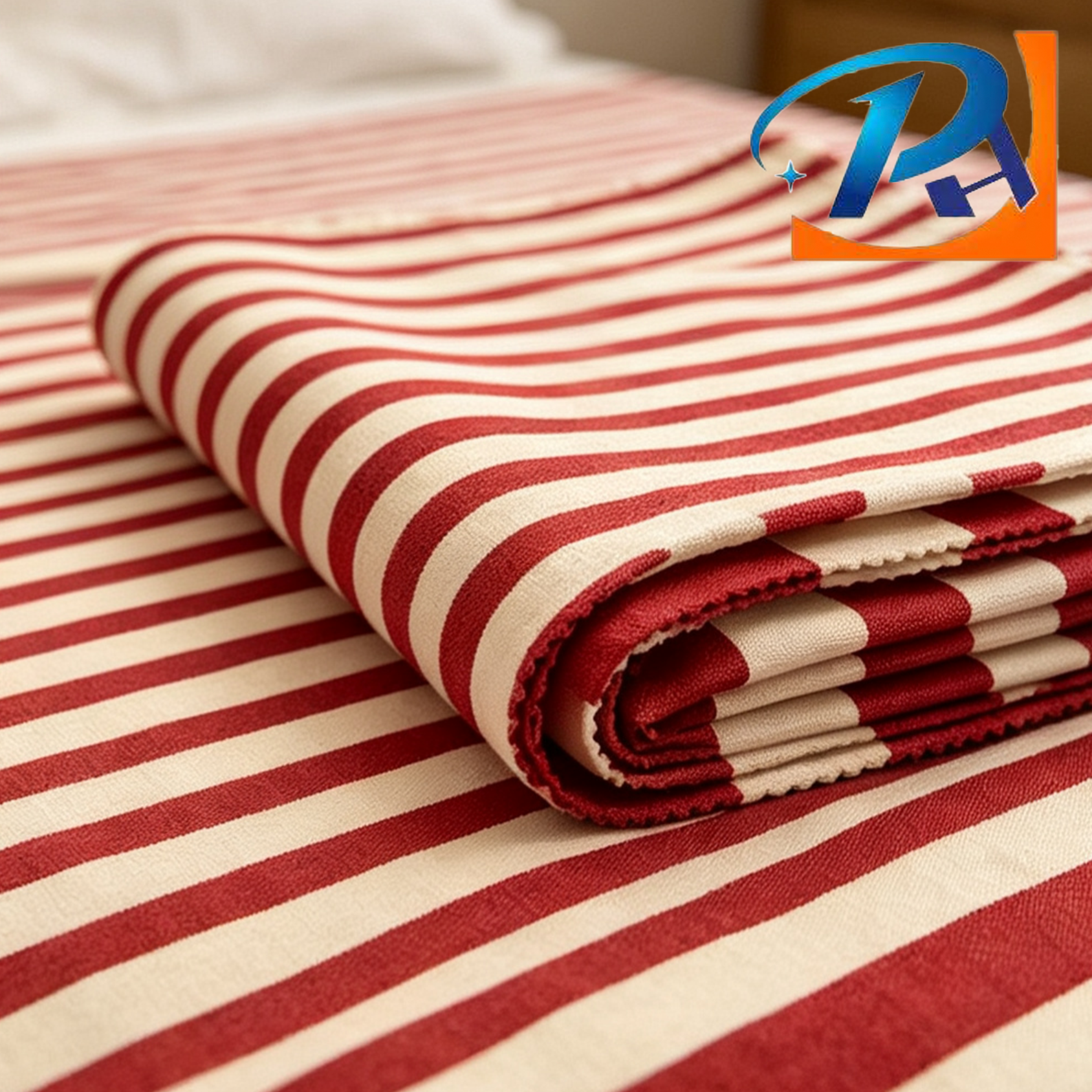
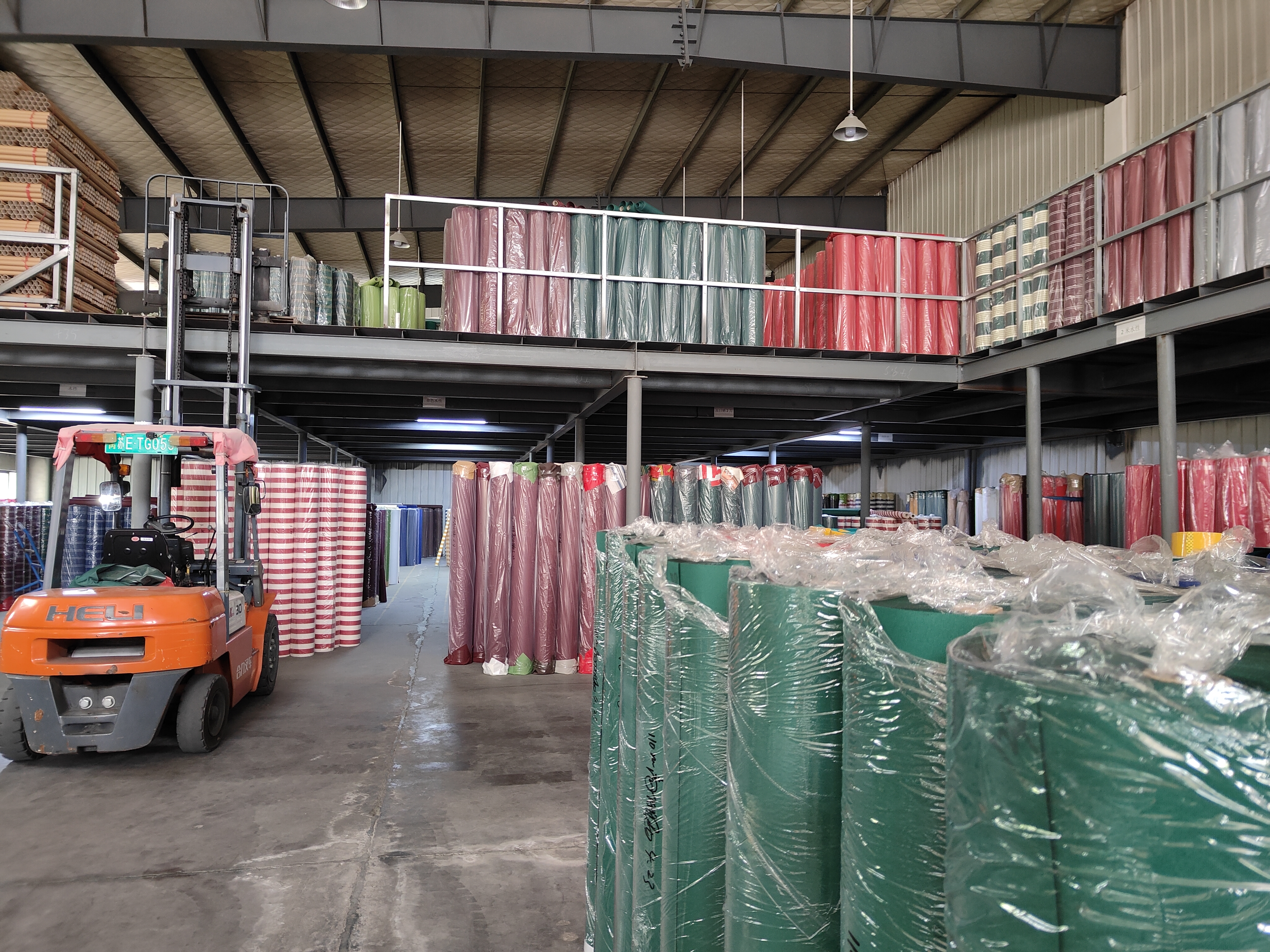
With the continuous rise of domestic outdoor leisure economy, prefabricated buildings, and urban courtyard renovations, as well as the regular updates in outdoor commercial facilities and tourism shading scenarios, outdoor waterproof and shading fabrics, which combine multiple core functions such as water resistance, shading, insulation, anti-aging, and environmental compliance, have become a key subcategory supporting the steady expansion of downstream industries in the functional textile sector. By 2026, the industry will completely bid farewell to the past "coarse capacity expansion + homogeneous price competition" development model and enter a new stage of high-quality development characterized by technological iteration, quality upgrades, scenario segmentation, and green compliance. The comprehensive competitive advantages of domestic industrial clusters will continue to stand out. The globalization layout of leading enterprises and the specialized segmentation of small and medium-sized manufacturers will form a dual-track industrial pattern. At the same time, issues such as global environmental compliance upgrades, increased barriers for mid-to-high-end technologies, and supply chain restructuring will become increasingly clear, presenting a development feature of "steady growth in total scale, continuous optimization of internal structure, and the emergence of a head concentration effect."
By 2026, the global market for outdoor functional shading fabrics will maintain a stable growth trend. According to QYResearch industry research data, the global market size reached $523 million in 2025, with an expected CAGR of 5.5% from 2026 to 2032, reaching $756 million by 2032. As the world's largest production, processing, and consumer market, the domestic market for outdoor waterproof and shading fabrics has reached RMB 5.46 billion, growing 12.4% year-over-year, higher than the global average, officially entering a mature growth cycle.
From a demand structure perspective, market growth is supported by both domestic demand upgrades and expanded foreign trade compliance. On the domestic front, the continued popularity of refined camping, outdoor courtyard renovations, and urban tourism, along with the mandatory implementation of the new "General Specifications for Building Energy Conservation and Renewable Energy Utilization," have led to a sustained increase in demand for mid-to-high-end fabrics for building outdoor shading, terrace waterproofing, outdoor canopy accessories, and photovoltaic building integration. On the foreign trade front, the concentrated release of outdoor infrastructure and home renovation demands in emerging markets such as Asia-Pacific, the Middle East, and Southeast Asia, combined with Chinese manufacturers' rapid adaptation to the environmental compliance requirements of European and American markets through technological upgrades, provide broad space for incremental industry development.
In terms of subcategories, polyester, acrylic, and HDPE, the three mainstream fabrics, dominate the market, widely used in core scenarios such as outdoor tents, shading canopies, courtyard curtains, outdoor furniture coverings, and engineering waterproofing and shading. Among these, the demand for high-end functional fabrics with high UV resistance, five-level water repellency, and mold and aging resistance is growing much faster than that for ordinary fabrics. The industry's average unit price has increased by 1.9% compared to 2025, with the penetration of high-value-added products becoming the core logic for revenue growth.
After years of development, China's outdoor waterproof and shading fabric industry has formed a mature landscape characterized by industrial cluster concentration, stratified competition, and head concentration. The concentration of production capacity continues to increase, and the head effect is gradually becoming evident. The industry's competitive logic has shifted from "price and capacity competition" to "technology, compliance, and supply chain efficiency competition."
The country's core industrial clusters are highly concentrated, with Shengze, Jiangsu; Guangdong; and Yongkang, Zhejiang, being the three main production areas. Leveraging regional upstream and downstream support, each has developed differentiated industrial advantages: Shengze, Jiangsu, focuses on the research and development and weaving of mid-to-high-end functional shading fabrics, aggregating a large number of leading textile producers. It has a complete industrial chain, advanced process levels, and primarily serves export and high-end domestic engineering orders. The Guangdong region specializes in terminal scene matching, focusing on custom shading canopies and membrane structure engineering fabrics, better meeting the customized needs of construction and outdoor landscape projects in South China. Yongkang, Zhejiang, leverages its local outdoor home industry advantages, focusing on the research and production of lightweight, standardized civil shading fabrics, suitable for e-commerce retail and small-scale, quick-response demands in the home renovation market.
2026 is a critical year for the technological iteration of outdoor waterproof and shading fabrics. The industry will completely break away from the single-function positioning of "only waterproofing" or "only shading." Through technological innovation paths such as material modification, process compositing, and functional coating assembly, it will fully move towards a technological upgrade stage characterized by multi-functional compositing, high weather resistance, lightweight, environmental friendliness, and intelligence. The core logic of technological competition is no longer "extreme reinforcement of a single function" but "stable fusion of multiple functions, scenario adaptation, and full lifecycle environmental protection."
Driven by the continuous tightening of global environmental regulations, the environmental performance of fabrics has shifted from a "bonus item" to an "entry requirement," becoming the core focus of industry technological upgrades in 2026. Traditional fluorine-containing waterproofing agents, which contain perfluoro and polyfluoroalkyl substances (PFAS), have been included in the "permanent chemical substance" control list by the United Nations Environment Programme and have been comprehensively banned in regions such as France, California, and New York. Fluorine-free waterproofing and bio-based materials have become the core directions of industry technological breakthroughs.
Leading international fabric suppliers have taken the lead in completing the technology switch: GORE-TEX PRO product lines have completely stopped using the ePTFE waterproof and breathable membrane that has been in use for 17 years, replacing it with a new ePE fluorine-free environmentally friendly membrane. This ensures the original waterproof and breathable performance while significantly reducing the environmental load of the product. Domestic leading enterprises have also achieved key technology localization, making breakthrough progress in fluorine-free waterproofing and bio-based materials: ANTA, in collaboration with universities, has independently developed a fluorine-free waterproof and breathable membrane. By introducing special amphiphilic groups into the polyurethane molecular chain, it achieves a balance between "fluorine-free environmental friendliness" and "high waterproofing and breathability." Third-party authoritative laboratory tests show that the core indicators of this membrane, such as hydrostatic pressure and moisture permeability, have reached international advanced levels. The Jiangnan branch of the China Textile Academy has also achieved mass production compatibility of domestically produced ePE fluorine-free environmentally friendly membranes, with technical performance fully in line with international mainstream environmental standards.
From the application end, the market share of environmentally friendly fluorine-free waterproofing agents has risen from 18% in 2020 to 35% in 2026, with the penetration rate of fluorine-free products in the EU exceeding 60%. In the field of outdoor functional fabrics, the penetration rate of domestic fluorine-free waterproofing agents has increased by nearly 10 percentage points compared to 2025, with the procurement volume of leading brands accounting for 41.3%, significantly accelerating the industry's green transformation process.
High-end engineering, outdoor tourism, and high-end outdoor home scenarios place higher demands on the weather resistance, service life, and functional stability of fabrics, driving the industry's technology towards more precise scenario-specific upgrades. Key technological breakthroughs in the industry are concentrated in three directions:
High Weather Resistance Technology: By modifying conventional base materials such as polyester and acrylic, adding anti-aging and UV-resistant functional masterbatches during the spinning stage, the environmental tolerance of the fabric is significantly improved. Some high-end products have an anti-aging service life of over 8 years, far exceeding the general industry standard.
Waterproof and Breathable Technology: Mainstream companies generally adopt a composite process of "dense base fabric + special micro-porous membrane," ensuring waterproof performance while significantly improving the fabric's breathability, avoiding internal stuffiness and condensation in outdoor shading scenarios due to non-breathable fabrics.
Multi-Function Assembly Technology: Integrating shading, waterproofing, insulation, flame retardancy, and tear resistance functions systematically, through the combination of different functional layers, to precisely meet the special performance requirements of high-end engineering scenarios.
2026 is a critical turning point for the industry, with developments in technology, capacity, business models, and internationalization all moving towards a mature industry direction. Based on the current industry development status, policy orientation, and market demand, the future trends of the industry can be summarized as follows.
Functional upgrades will remain the core long-term development focus of the industry. Technological iterations will more precisely match the细分需求,从“基于材料研发生产”向“基于场景需求研发生产”的方向转变。行业技术攻坚的核心方向将聚焦在极端气候耐受、阻燃、抗菌、可降解等特殊性能复合,精准适配高端建筑工程、精致露营、户外文旅基建、高端户外家居等不同垂直场景的使用需求。
2026年是行业转型的关键节点,从技术、产能、商业模式到国际化布局,都在朝着成熟产业的方向演进。结合当前行业发展现状、政策导向与市场需求,行业未来发展趋势可概括为以下核心方向。
功能性升级仍将是行业长期发展的核心主线,技术迭代将更精准地匹配下游场景的细分需求,从“基于材料研发生产”向“基于场景需求研发生产”的方向转变。行业技术攻坚的核心方向,将聚焦在极端气候耐受、阻燃、抗菌、可降解等特殊性能复合,精准适配高端建筑工程、精致露营、户外文旅基建、高端户外家居等不同垂直场景的使用需求。
2026 is a critical turning point for the industry, with developments in technology, capacity, business models, and internationalization all moving towards a mature industry direction. Based on the current industry development status, policy orientation, and market demand, the future trends of the industry can be summarized as follows.
Functional Upgrades Remain the Core Focus: Functional upgrades will continue to be the core long-term development focus of the industry. Technological iterations will more precisely match the specific needs of downstream scenarios, shifting from "research and production based on materials" to "research and production based on scenario needs." The core direction of the industry's technological breakthroughs will focus on the composite of special performances such as extreme climate resistance, flame retardancy, antibacterial properties, and biodegradability, to precisely meet the usage requirements of different vertical scenarios such as high-end construction projects, refined camping, outdoor tourism infrastructure, and high-end outdoor home furnishings.
Technological Innovation and Environmental Compliance: With the continuous tightening of global environmental regulations, the environmental performance of fabrics has shifted from a "bonus item" to an "entry requirement." Leading international and domestic fabric suppliers are making significant strides in developing and implementing environmentally friendly, fluorine-free, and bio-based materials. This not only enhances the environmental sustainability of the products but also aligns with the stringent environmental standards in key markets such as the EU and North America.
Market Segmentation and Customization: The industry will see a greater emphasis on market segmentation and customization. Different vertical scenarios, such as high-end construction, outdoor tourism, and premium outdoor living, will drive the development of specialized, high-performance fabrics. This will require manufacturers to invest in R&D to create fabrics that are tailored to specific applications, ensuring they meet the unique demands of each segment.
Globalization and Supply Chain Resilience: As the industry matures, leading enterprises will continue to expand their global presence, leveraging their technological and compliance advantages to capture new markets. Simultaneously, the industry will focus on enhancing supply chain resilience, adopting more flexible and efficient production and distribution models to mitigate risks and ensure consistent quality and delivery.
Sustainability and Circular Economy: The industry will increasingly embrace sustainability and circular economy principles. This includes the development of biodegradable and recyclable materials, as well as the implementation of closed-loop production processes. These efforts will not only reduce the environmental impact of the industry but also enhance its long-term viability and competitiveness.
In summary, the outdoor waterproof and shading fabric industry is poised for significant growth and transformation. By focusing on functional upgrades, technological innovation, environmental compliance, market segmentation, and global expansion, the industry will continue to evolve and thrive, meeting the diverse and evolving needs of both domestic and international markets.

Suzhou Ruihe Textile & Technology Co.,Ltd
Copyright © Suzhou Ruihe Textile & Technology Co.,Ltd All Rights Reserved | Blog | Privacy Policy

 EN
EN
 AR
AR
 NL
NL
 FR
FR
 DE
DE
 HI
HI
 IT
IT
 JA
JA
 KO
KO
 PT
PT
 RU
RU
 ES
ES
 TL
TL
 IW
IW
 ID
ID
 VI
VI
 TH
TH
 TR
TR
 FA
FA