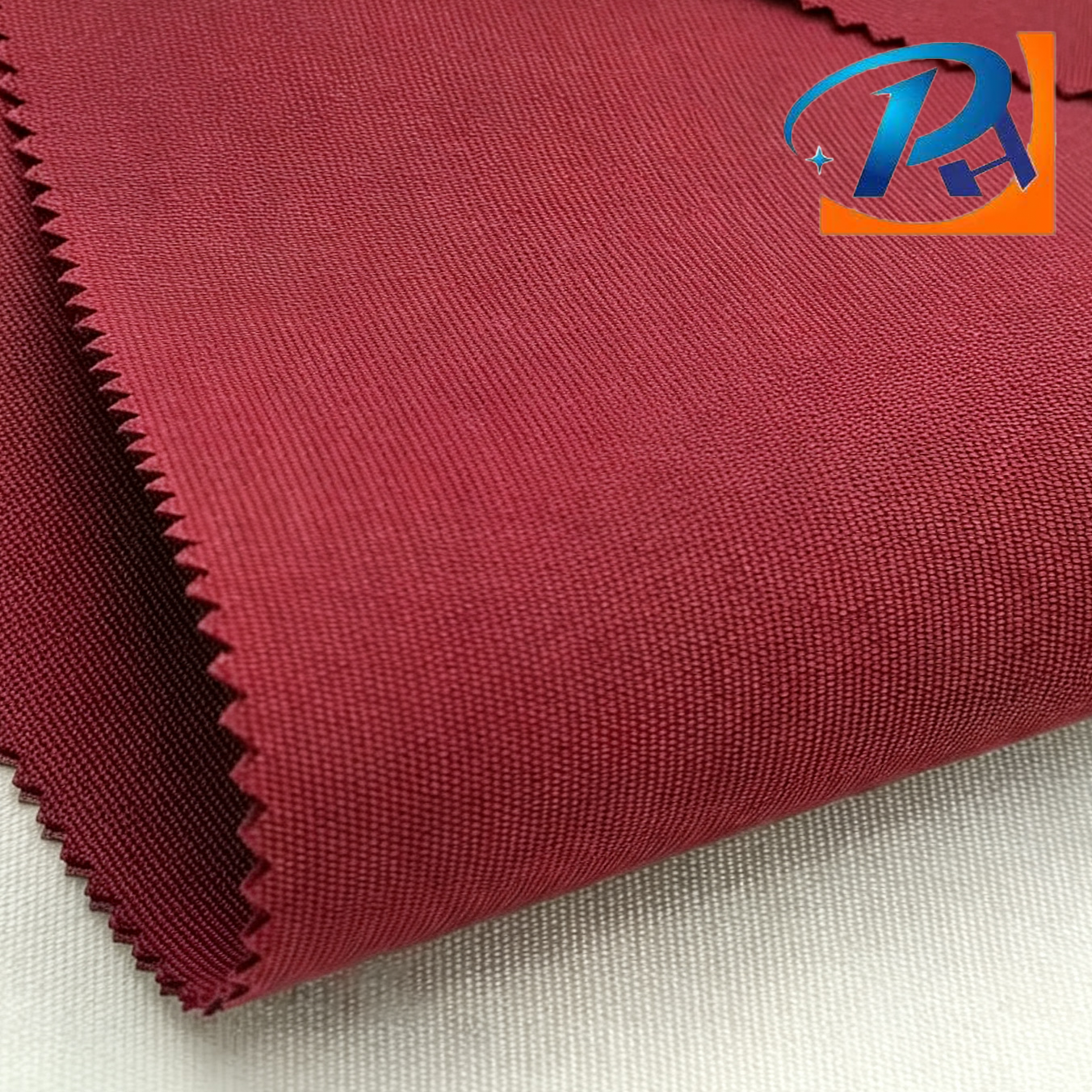
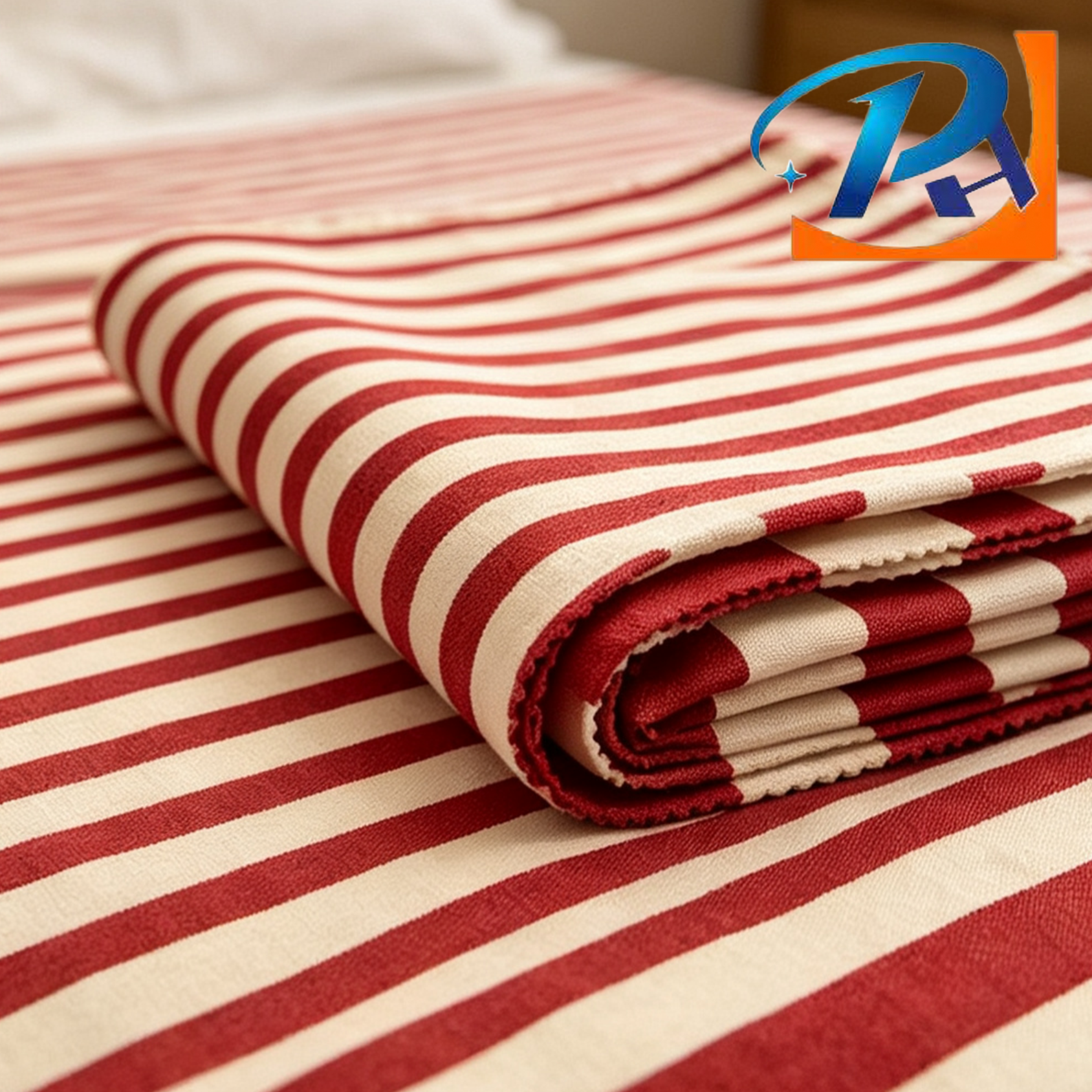
A clear category mismatch has long plagued the soft furnishing, outdoor and functional fabric sectors: acrylic fabrics deliver wool-like softness yet suffer from insufficient tensile strength and poor tear resistance; conventional post-dyed polyester boasts cost-effectiveness but is prone to color fading, uneven dyeing and weak weather resistance, rendering it unfit for long-service-life projects; imported functional fabrics offer premium performance but come with prohibitive price tags that drastically squeeze project profit margins.
As industry practitioners deeply engaged in fabric R&D and end-market implementation, we clearly identify dope-dyed polyester soft fabric as the solution filling this market void. It stands among the few flexible fabrics on the market that simultaneously combine high tensile strength, superior color fastness, exceptional weather resistance, low cost and green low-carbon production. It is also the fastest-growing premium functional material replacing traditional dyed polyester and low-grade acrylic fabrics in recent years. Especially across engineering soft furnishings, outdoor supporting facilities, active outdoor gear, high-end luggage and home textiles, dope-dyed polyester soft fabric has become an irreversible trend driven by product quality upgrading.
Nevertheless, widespread misconceptions persist across the industry. Most buyers and end clients only know "dope-dyed fabrics do not fade", yet fail to distinguish the fundamental differences between dope-dyed polyester and dope-dyed acrylic. They cannot grasp the core technical barriers, applicable scenarios and performance limits of dope-dyed polyester soft fabric, leading to improper fabric matching, unnecessary cost waste and substandard quality in numerous projects.
Rooted in hands-on industrial implementation experience and free of generic parameter clichés, this paper delivers a comprehensive breakdown of the genuine industrial value of dope-dyed polyester soft fabric—covering process fundamentals, technical thresholds, core performance, pros and cons boundaries, targeted market tracks, industry landscape and future trends—to equip industry insiders with a thorough understanding of this mainstream premium functional fabric.
I. Fundamentals of Production Process: Quality Determined at the Source; Pre-spinning Coloring Redefines Polyester Performance Ceiling
Over 90% of standard polyester soft fabrics on the market adopt the conventional weaving first, jigger dyeing later process. After grey fabric weaving, coloring is completed via high-temperature dye vats, with pigments merely adhering to fiber surfaces as a physical coating. This process carries inherent structural flaws: color fastness is limited by dye adhesion, resulting in pigment degradation under UV exposure, wash-off during laundering and color transfer from friction. Batch color deviation, uneven dyeing and surface stains are persistent industry pain points, which cannot be fundamentally resolved via subsequent soft finishing or functional coating treatments, no matter how elaborate they are.
Dope-dyed polyester soft fabric features a production logic that completely overturns traditional workflows, utilizing melt pre-spinning coloring—a green high-end manufacturing process widely recognized in the textile sector. During the melting stage of polyester chips, high-temperature compatible specialized color masterbatches are uniformly blended into the polymer melt. After vacuum homogenization, defoaming and molecular-level fusion, the mixture proceeds to spinning, drawing, weaving and soft finishing. Each finished polyester fiber is fully pigmented through its core, with color integrated into the fiber matrix rather than coated externally—achieving truly "intrinsically colored fibers".
From an industrial operational perspective, the performance gap between the two processes stems from irreversible structural differences. For post-dyed polyester, color is merely "pasted on", and pigment loss occurs naturally with aging; for dope-dyed polyester, color is "embedded within the fiber", remaining stable against UV radiation, rainwater, friction and repeated washing. Meanwhile, the dope-dyeing process eliminates highly polluting follow-up procedures including bleaching, color fixing and multiple rinsing cycles, drastically cutting water and power consumption as well as wastewater discharge. It complies with mandatory compliance requirements for green manufacturing and carbon emission reduction across the textile industry, and has become a primary entry standard for foreign trade orders, high-end engineering projects and brand procurement contracts.
II. Technical Barriers: Novices Compare Prices, Insiders Evaluate Craftsmanship; High-End Dope-Dyed Polyester Capacity Is Highly Concentrated
The market is flooded with low-cost "pseudo dope-dyed" polyester fabrics. Many small workshops cut corners through semi-dope dyeing, surface color fixation, mixed pigment blending and secondary film lamination, leveraging information asymmetry to undercut prices and create an illusion of market homogenization. However, only a handful of large-scale manufacturers can stably mass-produce premium dope-dyed polyester soft fabric, hindered by three high technical thresholds inaccessible to small-scale operators:
1. Polyester Melt Compatibility & Color Masterbatch Matching Barrier
Polyester melt operates at high temperatures with a narrow fluidity window, imposing stringent requirements on the heat resistance, dispersibility and compatibility of color masterbatches. Standard acrylic masterbatches and general chemical fiber masterbatches are entirely incompatible; improper ratios or model selection directly cause filament breakage, fuzz, color specks, color blocks and excessive batch color deviation. Production of high-grade dope-dyed polyester requires a dedicated high-temperature masterbatch system tailored to polyester, with precise formulation calibrated according to fabric weight, surface texture, color shade and outdoor weather resistance grade, paired with high-precision homogenizing equipment. This controls batch color deviation within ΔE ≤ 1.0, delivering uniformly pigmented, clear-toned fabric free of color irregularities—a precision standard unreplicable by low-grade counterfeits.
2. High-Temperature Stable Spinning & Soft Setting Barrier
Polyester spinning temperatures far exceed those of acrylic, demanding rigorous precision in equipment temperature control, drawing speed and cooling setting. Unstable temperature triggers thermal decomposition of color masterbatches, distorted hue rendering, dull grey fabric appearance and sharp declines in fiber strength, toughness and uniformity. Reputable large factories deploy segmented precision temperature-controlled spinning technology, preserving full fiber tensile strength and toughness while retaining saturated, pure color vibrancy. This eliminates polyester’s inherent stiffness while maintaining the soft hand feel and dimensional stability required for soft fabrics.
3. Balancing Soft Texture, High Strength & Multifunctional Performance
Raw dope-dyed polyester grey fabric is rigid and stiff, lacking the softness required for soft furnishings, apparel and upholstery applications. Qualified dope-dyed polyester soft fabric undergoes a complete set of refined post-finishing: combined wet and dry sanding, softening and setting treatments. These optimize fabric texture to create a delicate, supple drape without damaging the through-fiber pigment structure or compromising fiber tensile strength. Additional functionalities including UV resistance, waterproofing, mildew resistance, anti-static properties and antibacterial treatment can be integrated in a single process, striking a multi-dimensional balance between soft hand feel, superior tensile strength, long-term weather resistance and premium aesthetics—this marks the core dividing line between authentic premium products and low-grade imitations.
III. Core Performance: Verified by Field Testing; Five Defining Advantages Outperform Traditional Dyed Fabrics
Drawing on years of outdoor field testing, engineering project deployment and long-term performance tracking data, the strengths of dope-dyed polyester soft fabric are not theoretical parameters but proven real-world benefits. Compared with conventional post-dyed polyester and standard acrylic soft fabric, it delivers broader application compatibility, lower engineering risk tolerance and superior full-lifecycle cost performance.
1. Intrinsic Color Fastness; UV & Weather Resistant with Zero Fading
This is the most intuitive core advantage of dope-dyed materials. Premium dope-dyed polyester soft fabric consistently achieves Grade 3–4 light fastness, passing over 2,000 hours of accelerated artificial weathering testing. After 3–5 years of continuous outdoor service, fabrics retain uniform color without noticeable greying, fading or mottling. In contrast, post-dyed polyester suffers overall pigment degradation and patchy discoloration within just 3–6 months of outdoor exposure, failing quality standards for long-term engineering, outdoor displays and landscape soft furnishings. It also boasts superior wash and rub fastness, resisting color transfer and fading through repeated laundering and daily abrasion, maintaining visual appeal far longer than alternative materials.
2. High Tensile Strength & Abrasion Resistance; Industry-Leading Tear Resistance
Its standout differentiation from acrylic soft fabric lies in exceptional physical durability. Leveraging polyester’s inherently high-strength molecular structure alongside densified dope-spinning processing, the fabric outperforms conventional soft furnishing textiles in abrasion resistance, tensile resistance, bursting strength and tear resistance, with abrasion endurance exceeding 20,000 cycles. It resists deformation, damage and slackening under prolonged tension, friction and bending, perfectly suited for high-frequency, high-tension and high-abrasion working conditions—addressing acrylic’s critical flaw of insufficient tensile strength and fragility.
3. Broad Environmental Adaptability; Corrosion & Aging Resistant
Polyester features a compact, stable molecular structure enhanced via dope-dye modification and specialized UV-blocking finishing, blocking over 99% of ultraviolet rays to inhibit photoaging, brittleness and powdering of fibers. It maintains stable performance across a wide temperature range of -30°C to 80°C, avoiding brittleness and cracking in low temperatures as well as softening and deformation under high heat. It also delivers outstanding moisture-proof, mildew-resistant, mild acid/alkali corrosion and salt spray resistance, performing reliably in harsh environments including humid southern Chinese summers, windy northern regions and coastal high-salt spray zones. It ranks among the most well-rounded flexible soft furnishing fabrics for all-climate outdoor deployment.
4. Supple Drape & Stable Dimensionality; Low-Maintenance
Refined softening and sanding finishing eliminate the rigid plastic-like texture of standard polyester, yielding delicate, velvety fabric with excellent drape and neat dimensionality, matching the visual quality standards of mid-to-high-end soft furnishing projects. It retains polyester’s inherent practical benefits: no shrinkage, wrinkling, deformation or pilling after washing, requiring minimal daily upkeep with easy stain removal, drastically cutting post-installation maintenance and renovation costs.
5. Green Low-Carbon Compliance & Superior Full-Lifecycle Cost Performance
The dope-dyeing process minimizes printing and dyeing wastewater, energy consumption and dye usage from the source, representing an eco-friendly textile manufacturing process actively promoted by national policies. It fully satisfies environmental audit standards for brand bulk procurement, export trade and government engineering contracts. Though its upfront purchasing price exceeds standard post-dyed polyester, its extended service life, low maintenance demands and elimination of frequent renovation deliver far lower total lifecycle costs, generating substantial long-term economic benefits.
IV. Objective Limitations: Unbiased Industry Analysis; Clarifying True Application Boundaries
With years of on-the-ground industry experience, we maintain an objective, grounded stance and avoid overhyping any fabric. While dope-dyed polyester soft fabric boasts comprehensive superior performance, it carries inherent material limitations. Clear recognition of its boundaries enables precise scenario matching, eliminating quality downgrades and unnecessary expenditure.
-
Inferior extreme softness and skin-friendliness versus dope-dyed acrylic
Polyester fibers possess a crisp, smooth texture; even after intensive softening treatment, they cannot match the ultra-plush, skin-friendly fluffiness of acrylic soft fabric. It delivers subpar tactile experience for premium plush soft furnishings, thermal close-fitting apparel and applications prioritizing ultimate skin comfort.
-
Mild static buildup persists in dry environments
As a synthetic fiber with high insulation properties, polyester generates minor static electricity via friction during dry autumn and winter months. While post-finishing can temporarily mitigate this effect, permanent static elimination is unachievable, restricting its use for ultra-close-fitting applications requiring zero static buildup.
-
Less premium natural aesthetic compared to natural fibers
Against cotton, linen, wool, silk and other natural fibers, polyester lags in moisture absorption, breathability, organic texture and high-end matte luster. It is unsuitable for ultra-luxury, minimalist natural-style high-end interior decor and direct skin-contact premium applications.
V. Core Market Tracks: Targeted Positioning Focused on High-Strength, Weather-Resistant, Long-Lasting Aesthetic Scenarios
Driven by its differentiated performance strengths, dope-dyed polyester soft fabric does not compete with acrylic in the "ultra-soft tactile track" or with natural fibers in the "ultra skin-friendly track". Instead, it occupies an irreplaceable niche in mid-to-high-end engineering projects requiring high tensile strength, superior abrasion resistance, exceptional weather resistance, minimal maintenance and long-term aesthetic retention, covering four core application segments:
Outdoor Cultural Tourism Projects & Courtyard Soft Furnishings
This constitutes its largest primary market. Widely applied to outdoor canopies, awnings, courtyard curtains, outdoor sofa upholstery, landscape decorative fabrics and supporting soft furnishings for cultural tourism districts. It outperforms acrylic fabrics in abrasion, tensile and anti-aging performance, while surpassing standard dyed polyester with permanent color retention and resistance to weather-induced discoloration—perfectly adapted to outdoor settings with frequent use and prolonged exposure to sun and rain.
VI. Industry Landscape: Severe Polarization – Low-End Market Oversupplied, High-End Products in Urgent Shortage
The domestic dope-dyed polyester soft fabric industry exhibits stark market polarization. The low-end segment is saturated with conceptual counterfeit materials marketed at rock-bottom prices, plagued by unsubstantiated color fastness labeling, dull coloration, insufficient tensile strength and post-installation brittleness and powdering—severely distorting end-market perceptions of the entire dope-dyed polyester category.
Genuine premium dope-dyed polyester soft fabric relies on leading manufacturers’ proprietary capabilities in melt modification, precision color formulation, stable spinning and integrated multifunctional post-finishing, offering consistent quality, verified performance and uniform batch-to-batch output that meet engineering acceptance criteria, international export standards and long-term outdoor testing requirements. The current industry reality is severe overcapacity for low-grade counterfeit fabrics paired with undersupply of qualified high-end materials. As end-market quality standards rise, environmental regulations tighten and engineering acceptance benchmarks grow stricter, inferior counterfeit products will be gradually phased out, driving rapid continuous growth in market penetration for premium dope-dyed polyester fabrics.

 EN
EN
 AR
AR
 NL
NL
 FR
FR
 DE
DE
 HI
HI
 IT
IT
 JA
JA
 KO
KO
 PT
PT
 RU
RU
 ES
ES
 TL
TL
 IW
IW
 ID
ID
 VI
VI
 TH
TH
 TR
TR
 FA
FA