
 EN
EN
 AR
AR
 NL
NL
 FR
FR
 DE
DE
 HI
HI
 IT
IT
 JA
JA
 KO
KO
 PT
PT
 RU
RU
 ES
ES
 TL
TL
 IW
IW
 ID
ID
 VI
VI
 TH
TH
 TR
TR
 FA
FA
Most yacht owners fall into a lifelong selection misconception: the stronger the waterproof performance, the higher the protection level.
Most ordinary boat covers on the market continuously emphasize this single selling point: thickened coating, tight sealing, and complete water impermeability. However, have you noticed a strange phenomenon? Many fully waterproof covers that withstand heavy rain perfectly will actually accelerate hull mold growth, hardware rusting, and fabric embrittlement within half a year. The paint surface of the yacht deteriorates far faster than when it is parked uncovered.
With years of experience in marine outdoor protection, I will help you break free from low-end selection thinking and analyze the core logic of genuine high-end marine-grade protection. Professional maritime and long-term coastal moored yachts never choose coating-based fully sealed covers. Real marine-grade protection is not single hard waterproofing, but a comprehensive salt spray resistance + UV resistance + natural mildew resistance + condensation drainage 4-in-1 protection system.
We must recognize the truth: the damage to yachts moored at coastal docks does not only come from rain erosion. Rain only causes superficial short-term damage. The compound extreme marine environment, including salt spray, intense ultraviolet rays, high humidity, and day-night temperature difference condensation, are the four invisible culprits behind yacht aging and depreciation. Single waterproof performance is negligible in such harsh scenarios.
First of all, salt spray resistance. It is the most fundamental and critical core of coastal protection. Marine salt spray features strong permeability and corrosiveness. Ordinary boat covers can only block rainwater but cannot intercept tiny salt spray particles. Accumulated salt spray penetrates fabric gaps, adheres to hull surfaces, metal hardware and interior crevices, gradually causing oxidation, rust and paint fading. Genuine marine-grade protection relies on dense material and weaving structure to resist salt corrosion, preventing salt spray penetration and accumulation to defend against coastal salt erosion fundamentally.
Secondly, UV resistance and sun aging resistance. Most people ignore that strong sunlight is the primary cause of aging for both boat covers and yachts. Ordinary coated fabrics are extremely vulnerable to continuous UV radiation. Long-term sun exposure leads to rapid hydrolysis, pulverization and peeling of waterproof coatings. The cracked and peeling residues will adhere to the hull surface, causing stubborn stains and secondary damage to the paint. High-standard marine-grade fabrics possess stable inherent UV resistance, resisting intense sunlight all year round without embrittlement, cracking or coating peeling, effectively protecting yacht paint from UV burns and aging.
Thirdly, natural mildew resistance. Coastal docks are humid and rainy all year round. Ordinary fabrics easily absorb moisture and breed mold in damp environments, resulting in moldy covers and unpleasant odors. Mold will further spread and erode yacht interiors, leather accessories and metal parts. Premium marine-grade fabrics feature stable and dense molecular structures that hardly absorb moisture or attach bacteria, providing excellent inherent mildew resistance to avoid mold spots and persistent odors even in long-term humid and semi-enclosed conditions.
Last but most importantly: condensation drainage. This is the ultimate answer to why fully waterproof covers damage yachts. Ordinary fully sealed covers block rainwater completely but cut off all air circulation. Huge day-night temperature differences at the coast generate massive condensation inside the cover. Trapped moisture accumulates continuously in the enclosed space, leaving the yacht soaked in humid air for a long time. The essence of professional marine protection abandons rigid full sealing, achieving surface water repellency and internal moisture ventilation. It repels external rainwater while allowing internal condensation and dampness to volatilize freely, thoroughly solving the core pain points of cabin moisture accumulation and mildew.
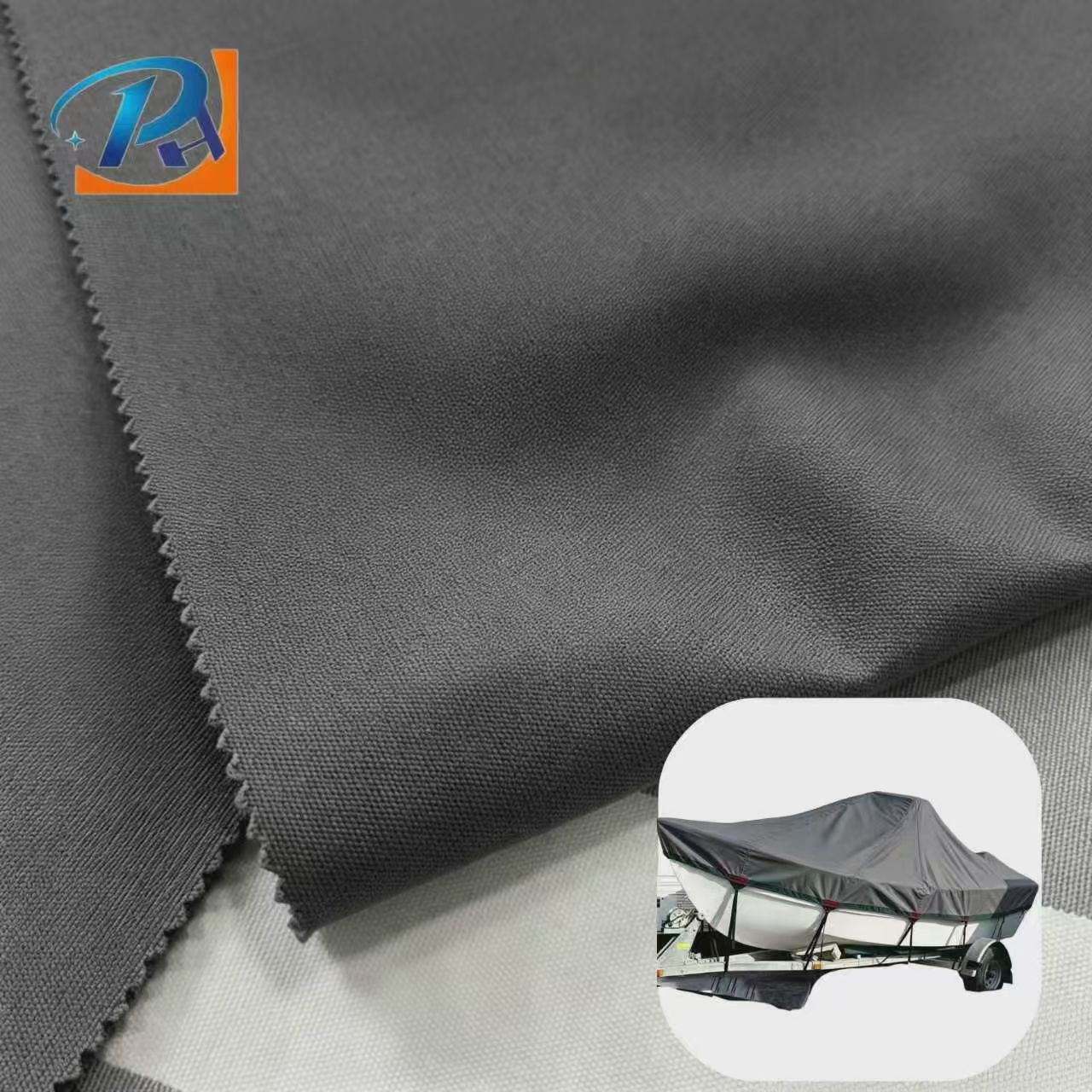
In my experience with high-end maritime protective materials, few fabrics can fully meet such comprehensive protection requirements.Solution dyed acrylic soft fabric delivers balanced and stable performance, which fits complex marine working conditions and matches the basic material standards for professional yacht covers.
From this, we can draw a clear conclusion: high-quality yacht protection never depends on thicker coatings or extreme waterproofing, but on the ability to withstand continuous erosion from complex marine environments. Single waterproofing is low-end sheltering, while 4-in-1 comprehensive protection is genuine marine-grade professionalism. Only by balancing salt corrosion resistance, sun aging resistance, mildew inhibition and condensation drainage can we avoid yacht depreciation and long-term mooring damage, which is the core standard of high-end maritime protection.