 EN
EN
 AR
AR
 NL
NL
 FR
FR
 DE
DE
 HI
HI
 IT
IT
 JA
JA
 KO
KO
 PT
PT
 RU
RU
 ES
ES
 TL
TL
 IW
IW
 ID
ID
 VI
VI
 TH
TH
 TR
TR
 FA
FA
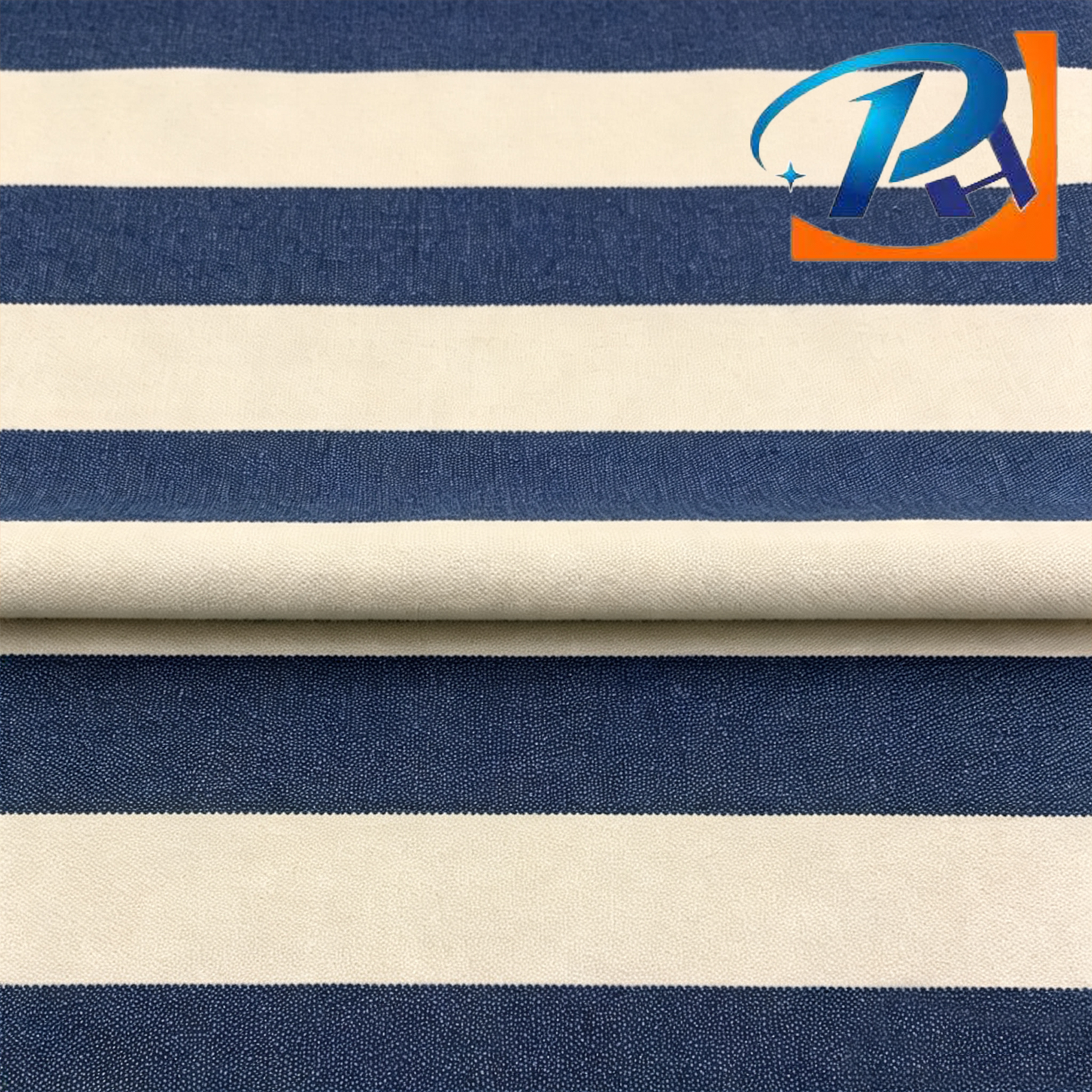
Do Lighter Acrylic Fabrics Fade Faster Than Darker Ones? We Uncover the Truth!
Many buyers have heard a widespread rule of thumb when sourcing outdoor textiles:
Never pick light-colored outdoor fabrics. They turn yellow and fade within a couple of months. Dark shades stand up better to sunlight!
Acrylic fabric, the top-tier material renowned for high lightfastness in outdoor applications, cannot escape this misconception either. Numerous homeowners, interior designers and purchasers keep asking the same question: will light-hued acrylic fabrics inherently degrade faster under UV exposure?
Today, we skip vague speculation and empty marketing claims. We will break down this popular misunderstanding in a straightforward, engaging way. You may be surprised to learn that what you perceive as fading is simply an optical illusion!
First, can you really distinguish fading from surface discoloration caused by dirt and oxidation?
Most people believe light-colored acrylic ages rapidly, but in most cases, it is not pigment loss from the fabric itself. Light shades are simply far less forgiving!
Dark-toned fabrics are like people wearing heavy makeup. Minor dust buildup, limescale marks and slight oxidation can be easily concealed. Even if slight pigment loss occurs, it is barely detectable to the naked eye.
Light-colored fabrics, however, resemble a blank canvas.
Dust accumulation creates a dingy look.
Water stains left after rainfall trigger yellowish marks.
UV radiation triggers subtle fiber oxidation and makes the material appear worn.
Every tiny imperfection stands out prominently, leading people to jump to a quick conclusion: the fabric has faded badly.
Here is the key takeaway:
For premium-grade acrylic fabrics, light and dark colors deliver nearly identical lightfastness ratings, with negligible differences in fading rate. The only distinction is that light shades show dirt and surface blemishes far more easily.
Let’s move on to professional knowledge without complicated chemical jargon.
High-performance outdoor acrylic material refers to solution-dyed acrylic.
Simply put, color pigments are incorporated into polymer pellets before fiber extrusion, rather than coated onto the fiber surface afterwards. Such structure delivers strong resistance against UV degradation.
For this premium material, both light and dark variants adopt weather-resistant colorants and can achieve top-tier lightfastness Grade 7–8. Under long-term outdoor exposure for 3–5 years, the rate of pigment loss remains consistent across light and dark shades.
The perceived poor performance of light colors mainly stems from vulnerability to yellowing, dust adhesion and oxidation stains. These phenomena do not equal true color fading.
On the contrary, things are completely different for low-cost post-dyed acrylic.
Colorants are only attached to the fiber exterior. Dark fabrics require higher pigment loading, which breaks down faster under ultraviolet rays, resulting in whitish patches and obvious discoloration over time.
To simplify:
✅ Premium solution-dyed acrylic: Light & dark colors resist fading equally; light hues just show dirt easily.
❌ Budget post-dyed acrylic: Dark shades tend to suffer more severe actual fading.
Here is another lesser-known fact:
A fabric’s UV resistance depends barely on color depth, but largely on the quality of colorants.
Certain pale beige and light grey colorants feature outstanding weather resistance, outperforming some dark pigments. Some deep red and navy pigments, despite rich dark appearances, have mediocre UV stability and gradually dull under prolonged sunlight.
Do not fall for the oversimplified claim that “dark colors always withstand sunlight better”.
You may wonder: should I choose light or dark acrylic fabric for my project?
We have summarized three practical guidelines for reference:
- If you prefer low maintenance, for commercial awnings and outdoor seat upholstery – opt for dark or neutral shades. These hide dirt effectively and require minimal regular cleaning, maintaining a tidy appearance for years under sunlight.
- If you love bright, airy aesthetics for courtyards and accept periodic rinsing – light-colored solution-dyed acrylic is an excellent option. It will not experience genuine pigment fading. Simple regular water washing can refresh its appearance.
- For coastal regions or poolside environments with heavy salt spray – use light shades with caution. Salt residues and chlorine stains are highly visible on light backgrounds, demanding more frequent cleaning.
Let’s recap the core conclusion worth remembering to avoid sourcing pitfalls:
Premium solution-dyed acrylic fabrics do not fade more quickly in light shades. Most so-called “fading” observed on light fabric is merely visible dirt, surface oxidation and stains.
A material’s outdoor service life is determined by manufacturing technology, raw material quality and colorant performance – not how light or dark the color is.
Next time someone claims light acrylic cannot handle sunlight, share this article to set the record straight.
If you are sourcing materials for patio renovations, balcony projects, awnings or outdoor furniture upholstery, keep this principle in mind:
Selecting qualified solution-dyed acrylic with superior lightfastness matters far more than hesitating over color depth.
Color defines style.
Manufacturing craftsmanship determines durability.