
 EN
EN
 AR
AR
 NL
NL
 FR
FR
 DE
DE
 HI
HI
 IT
IT
 JA
JA
 KO
KO
 PT
PT
 RU
RU
 ES
ES
 TL
TL
 IW
IW
 ID
ID
 VI
VI
 TH
TH
 TR
TR
 FA
FA
Some campsites maintain high customer repurchase rates and premium pricing purely by relying on immersive ambiance, without engaging in vicious price competition or large-scale marketing events. In contrast, many well-invested campsites with complete facilities and elaborate landscaping fail to retain visitors, leaving customers with a cheap and mediocre impression after just one visit.
Most campsite owners fall into a critical cognitive misunderstanding: they believe a lack of premium ambiance stems from insufficient lighting, decorations or greenery.
Yet the harsh industry truth is: it is never the trivial decorations that ruin a campsite’s sense of quality, but the low-cost canopy fabrics you choose to compromise on.
The camping industry has exited its barbaric growth phase and entered a full reshuffle in 2026. The core competition no longer focuses on site size, but on stable scene presentation, premium texture, and consistent photogenic aesthetics. Modern camping customers have extremely discerning tastes. For them, camping itself is not a necessity — a visually pleasing, relaxing and aesthetic experience is.
Visitors judge a campsite’s grade instantly without experiencing services or comparing prices. The overall visual uniformity determines their first impression. Tent and sunshade fabrics occupy over 80% of a campsite’s visual field, serving as the core visual facade. No amount of delicate decorations can save a downgraded, low-quality fabric facade.
This is the hidden pitfall for most ordinary campsites: splashing budgets on rarely visited decorative landscapes while cutting corners on canopy materials that cover the entire site and are exposed all year round.
The repellent effect of cheap canopy fabrics is far stronger than most people imagine. Fabric aging and deterioration is the root cause of a tacky, low-grade campsite look.
Budget fabrics look clean and neat right after installation, but camping sites endure harsh outdoor conditions: intense sunlight, repeated wind and rain erosion. With only superficial dyeing and no professional color fixation treatment, these low-end fabrics quickly fade, turn pale, develop patchy discoloration, and become stiff and wrinkled after just 2 to 3 months of strong UV exposure and humid weather oxidation.
Worse still is the collapsed visual texture. Ordinary fabrics produce harsh plastic glare under direct sunlight, making the whole site look messy and unrefined. They completely destroy the tranquil, relaxing vibe unique to camping. Even with star lights, wooden decorations and lush greenery, low-quality canopies instantly turn a premium campsite into an ordinary budget venue, wiping out all high-end texture.
Campsite owners must wake up to the hidden operational losses. Choosing cheap fabrics is false economy. These materials have a short service life, turning yellow within half a year and needing full replacement within a year. Frequent repurchases, disassembly and installation continuously increase material and labor costs, disrupt normal business operations, and create inconsistent site aesthetics. The result is poor first-time visitor impressions and low repeat customer rates, trapping campsites in a vicious cycle of "saving money while losing profits".
In comparison, top-rated internet-famous and luxury glamping campsites rarely rely on unique natural scenery for their advantages. Their core competitiveness lies in year-round stable and unified scene texture. Regardless of seasons, sunlight or rain, their campsites maintain consistent color tones without patchy fading or shabby appearances — this is the underlying logic behind their steady online popularity, continuous traffic and premium pricing power.
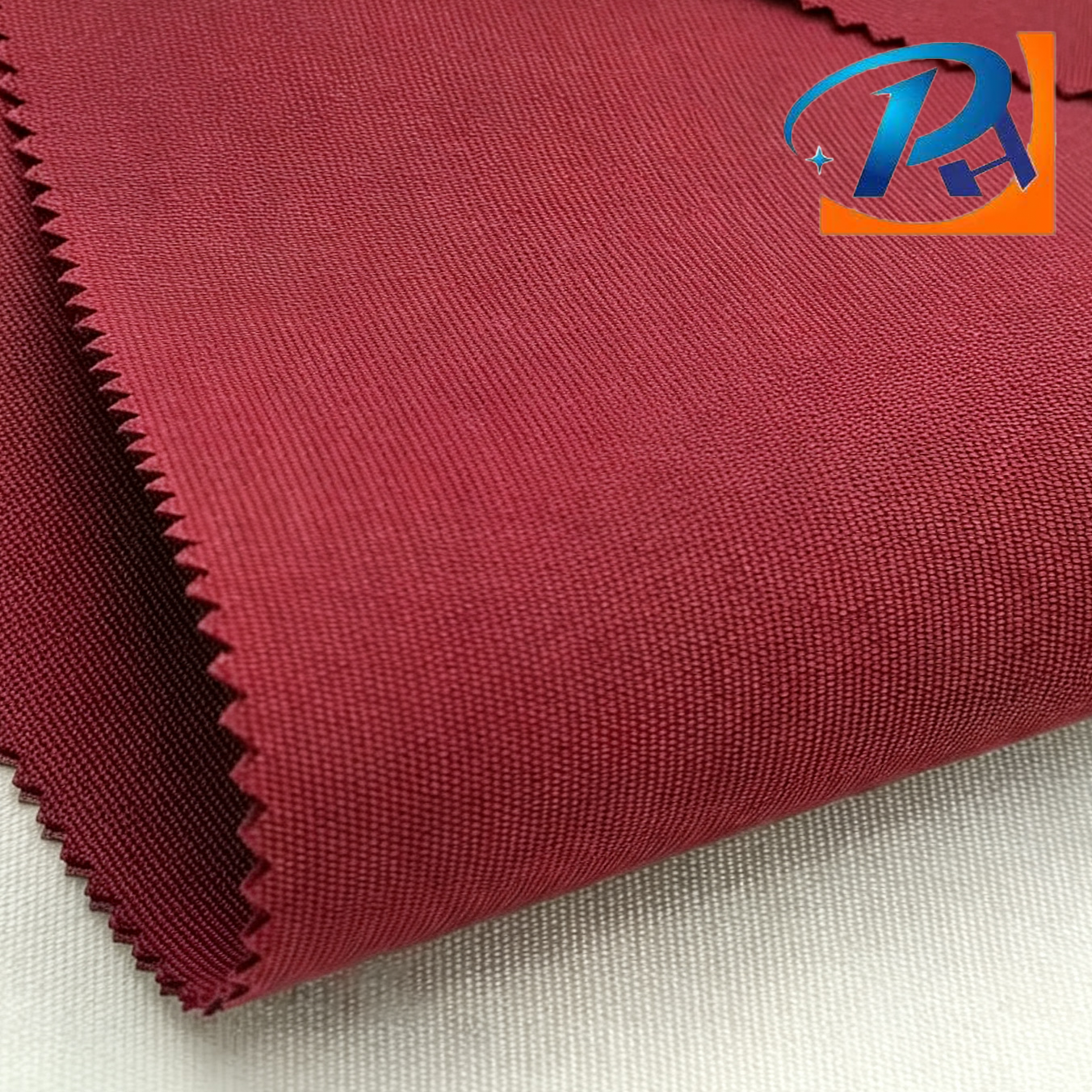
Amid the trend of asset-light upgrading and refined operation, leading campsites have figured out the secret of long-term profitability by abandoning the drawbacks of traditional ordinary fabrics. High-quality professional outdoor tent fabrics tailored for high-intensity camping scenarios adopt deep fiber color fixation technology. They fundamentally resist UV oxidation and rain erosion, eliminating the common flaws of fading, aging and unstable texture, and maintaining uniform color and perfect condition during long-term outdoor exposure.
In terms of visual presentation, premium sun-resistant soft outdoor fabrics feature an elegant matte finish without cheap plastic glare, paired with natural, smooth draping. Low-saturation classic tones such as cream white, light coffee and dark green fit mainstream campsite styles, including forest, luxury, rural and minimalist themes. Uniform fabric layout quickly unifies messy site colors, creating a pure and relaxing outdoor atmosphere. No excessive decorations are required to effectively upgrade the campsite’s delicacy and photogenic quality, perfectly catering to current social media aesthetic trends.
From a long-term operational perspective, the greatest value of premium outdoor fabrics lies in stability, convenience and reduced hidden costs. With excellent aging resistance, waterproof performance and UV resistance, they withstand complex seasonal weather changes and boast a far longer service life than conventional fabrics. A one-time upgrade to high-quality materials eliminates the trouble of annual renovations and frequent replacements, greatly cutting expenditure on materials, labor and site downtime. It keeps the campsite’s visual texture stable all year round, laying a solid foundation for sustainable traffic growth, higher unit prices and improved customer loyalty.
The camping industry has moved beyond extensive site competition and entered an era where details determine competitiveness and texture determines premium value.
A genuine high-end campsite vibe never relies on heavy hardware investment, but on long-term stable visual texture and unified scene ambiance. Many campsites fail not because of poor operation or insufficient traffic, but because low-grade canopy fabrics cap their overall grade and profit potential.
The optimal breakthrough solution for campsites in 2026: reduce ineffective high-cost renovations and focus on precise detail upgrades. Upgrading to sun-resistant, aesthetic and high-grade professional outdoor fabrics helps campsites completely get rid of cheap aesthetics, escape homogeneous price wars, and sustain traffic and profit growth with stable scene quality.
A good look attracts visitors, while reliable quality sustains long-term profitability. Choosing the right fabric secures your campsite’s traffic and long-term development potential.