 EN
EN
 AR
AR
 NL
NL
 FR
FR
 DE
DE
 HI
HI
 IT
IT
 JA
JA
 KO
KO
 PT
PT
 RU
RU
 ES
ES
 TL
TL
 IW
IW
 ID
ID
 VI
VI
 TH
TH
 TR
TR
 FA
FA
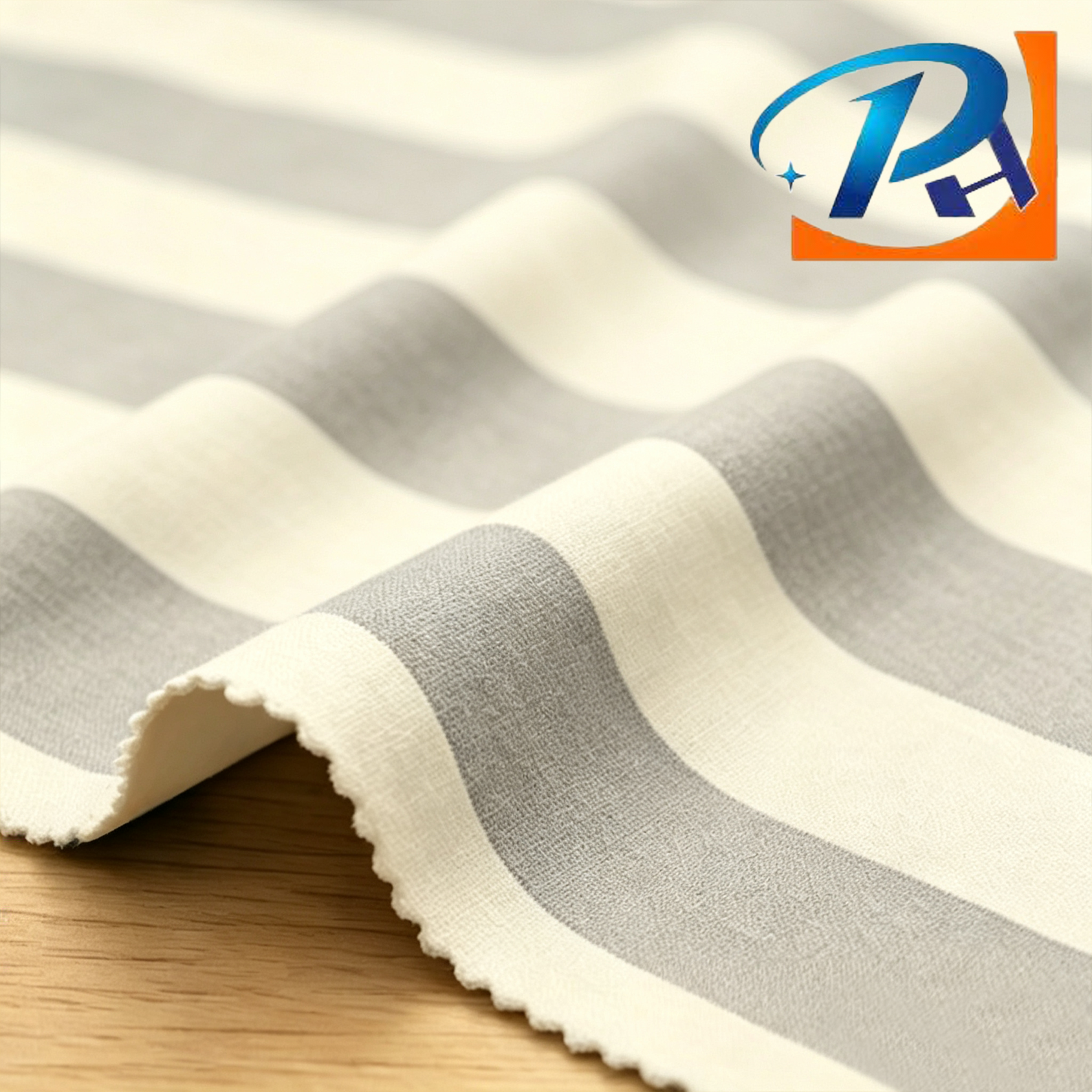
When it comes to picking fabrics for outdoor shading and courtyard soft furnishings, most shoppers share the same dilemma: all shading fabrics look similar at first glance, yet some turn yellow, moldy and tattered after just one year of use, while others stay intact and pristine for years with minimal upkeep. Solution-dyed acrylic soft fabric is a wildly popular staple in the outdoor textile industry, seen everywhere across projects. Still, most buyers only know it performs well, without fully understanding its core functional properties, ideal application scenarios, or even its inherent limitations.
This guide skips tedious raw data dumps and overly sales-driven hype. Drawing on years of industry experience as an objective insider, we break down professional-grade solution-dyed outdoor acrylic soft fabric in plain, accessible language. Covering market trends, material fundamentals, real-world performance, side-by-side comparisons, matching applications and common purchasing pitfalls, this all-in-one breakdown will help you choose wisely and avoid costly mistakes.
I. Macro Fabric Selection Trend: Outdoor Textiles Have Left the "Disposable Budget Era" Behind
A decade ago, buyers prioritized one single factor for outdoor fabrics: low upfront cost. It was acceptable to replace worn fabric annually. Today, however, residential courtyard and commercial clients demand far more from their materials: superior UV resistance, long-lasting color retention, mold resistance, low maintenance, and stable performance through all seasonal weather extremes.
Traditional budget options such as standard polyester and coated oxford cloth fall firmly into the short-term disposable category with glaring flaws. After roughly one year of sun exposure, they yellow and turn brittle; waterproof coatings peel off gradually; they develop black mold within days of humid rainy seasons; and coastal salt spray quickly accelerates deterioration and tearing. While their unit price appears economical, frequent annual replacements create recurring expenses that make them far less cost-effective long-term.
Solution-dyed acrylic soft fabric emerges as a well-balanced, high-performance material tailored to modern demands. It is neither an ultra-premium niche fabric with exorbitant pricing nor a cheap disposable textile. Its standout advantage is the near absence of critical weaknesses, paired with exceptional all-weather durability against harsh sunlight, persistent humidity and extreme temperature swings—this is the primary driver of its surging market popularity. A critical reminder: generic post-dyed acrylic fabric and professional outdoor solution-dyed acrylic soft fabric are two entirely distinct materials with drastically different performance; always distinguish between the two when sourcing.
II. Core Material Science: What Separates It From Conventional Fabrics?
Many buyers struggle to tell acrylic soft fabric, PVC cloth and generic synthetic textiles apart. The fundamental difference lies in their manufacturing dyeing process.
Professional outdoor acrylic soft fabric is crafted from polyacrylonitrile fiber via solution dyeing. To simplify the concept: pigments are integrated into the fiber molecular structure during fiber formation, rather than printed or dyed onto the finished fabric surface as a superficial layer.
This single process difference creates a massive gap in service lifespan versus standard outdoor textiles. Complemented by high-density weaving, the fabric boasts a tight, smooth texture with a soft, natural handfeel. It lacks the stiff plastic texture and pungent chemical odor of PVC cloth, as well as the flimsy lightweight sensation of thin low-grade fabrics. It also eliminates the inherent drawbacks of natural fabrics like cotton and linen—poor UV resistance, moisture susceptibility, shrinkage and mold growth—making it a functional textile engineered exclusively for harsh outdoor conditions.
III. In-Depth Performance Breakdown: The Real Pros and Cons of Acrylic Soft Fabric
Drawing from years of on-site field observations and genuine customer feedback, we break down its core tangible properties objectively, covering both strengths and limitations without overhyping the material:
1. All-Weather Durability: Built to Withstand Every Climate
Its defining trait is stable performance across extreme temperature ranges from -30°C to 80°C, with no performance degradation. It will not harden or crack under frigid northern winters, nor soften, sag or deform during sweltering summer heatwaves. It withstands intense high-altitude UV radiation, coastal salt mist and prolonged seasonal rainfall alike. Its outdoor weather resistance far outperforms standard polyester and oxford cloth, making it suitable for installation across all regions nationwide.
2. Superior UV Resistance: Long-Lasting Built-In Sun Protection
Generic shading fabrics rely on surface coatings for UV shielding; once coatings wear or degrade under sunlight, their sun-blocking capacity vanishes entirely. Acrylic soft fabric features inherent UV protection derived from its dense fiber structure and solution-dyed composition, blocking over 99% of ultraviolet rays. Its UV shielding function remains intact through years of sun exposure, rain wash and routine cleaning. It shields human skin from sunburn and prevents premature aging of courtyard furniture and greenery, cementing its reputation as one of its most sought-after features.
3. Water Repellency: Breathable Bead-Shedding Barrier
A common misconception needs clarification upfront: it is not fully impermeable like plastic sheeting, but high-density water-repellent fabric. Light to moderate rainfall forms discrete water beads that roll off the fabric surface without pooling or penetrating, fully meeting daily shading and light rain protection requirements while minimizing surface condensation.
Its key advantage over coated textiles is no peeling, delamination or permanent loss of water repellency over time. Its only limitation is minor water seepage under prolonged heavy downpours or sustained submersion—an irrelevant drawback for nearly all standard shading applications.
4. Mold & Corrosion Resistance: Naturally Mold-Resistant for Humid Environments
Most outdoor fabrics fail not from sunlight damage, but from trapped moisture and mold infestation. Humid rainy seasons, shaded damp balconies and coastal environments cause standard fabrics to absorb moisture, rapidly fostering mold growth, black discoloration and unpleasant odors.
Acrylic fiber absorbs almost no moisture and retains zero dampness, eliminating the core conditions required for mold to develop. It also resists acid, alkali and salt spray, maintaining structural integrity without embrittlement or tearing in corrosive coastal and industrial zones.
5. Color Fastness: Retains Original Hues for Years Outdoors
This is the most immediately noticeable advantage for end users. Budget outdoor fabrics develop yellowing, uneven fading and patchy discoloration after roughly one year, ruining their aesthetic appeal. Since pigments are embedded deep within solution-dyed acrylic fibers rather than applied as a surface coating, industry field testing confirms no obvious fading, yellowing or color mismatch after 5–8 years of continuous outdoor exposure, preserving uniform, premium visual quality far longer than low-cost alternatives.
6. High Tensile Toughness: Wind-Resistant, Resilient & Shape-Retentive
The fabric features a soft, pliable handfeel with no rigid stiffness. It supports unrestricted cutting, bending and rolling; repeated folding and storage leave no permanent creases or cracking. It delivers strong tensile and tear resistance, resisting tearing or slackening under strong outdoor winds, maintaining a neat, taut silhouette without sagging over long-term use.
7. Low Maintenance: Ideal for Low-Effort Care
Its dense, smooth surface repels dust and grime, enabling natural self-cleaning via wind and rain exposure. Minor stains require no heavy scrubbing—simple water wiping suffices. Critically, it experiences zero shrinkage, deformation or color bleeding after washing, eliminating frequent intensive upkeep for busy outdoor living spaces.
IV. Side-by-Side Comparison: How It Stacks Up Against Mainstream Outdoor Fabrics
For straightforward reference, we compare the three most widely used outdoor textiles to clarify acrylic soft fabric’s true market positioning:
-
Vs. PVC Coated Fabric PVC’s only advantages are lower upfront cost and complete waterproof performance. Its drawbacks are prominent: it hardens in cold weather and turns sticky under summer heat, emits strong plastic odors, and peels and degrades within one to two years. Acrylic soft fabric is odor-free, temperature-stable, slower to degrade and visually superior; its sole tradeoff is inferior absolute waterproofing capability compared to PVC.
-
Vs. Standard Polyester & Oxford Cloth These two economical options function as disposable textiles with low purchase prices but a one-year service lifespan. They offer weak UV protection, mold easily and fade rapidly under sunlight. Acrylic soft fabric demands a one-time higher investment but delivers multi-year service, with vastly superior long-term cost efficiency and user experience.
-
Vs. Natural Cotton & Linen Fabrics Cotton and linen offer a soft organic texture yet are extremely delicate for outdoor deployment: they degrade quickly under sunlight, shrink when soaked and mold and deform in humid conditions, rendering them unsuitable for sustained outdoor use. Acrylic soft fabric replicates the gentle handfeel of natural fibers while resolving all their outdoor performance shortcomings.
Overall verdict: Acrylic soft fabric does not achieve absolute peak performance in any single metric, yet it boasts the fewest functional weaknesses, maximum stability and broadest application range, making it the most well-rounded choice among all outdoor textiles.
V. Application Scenarios: Far Beyond Retractable Awnings
Most buyers mistakenly assume it is only suitable for retractable shading awnings. Its balanced functional profile unlocks a vast array of use cases:
-
Core Application: Residential Courtyard Outdoor Shading Villa retractable awnings, rain canopies, terrace sun curtains, gazebo roof fabric, sunroom shading, courtyard swing tops and more. These spaces endure constant outdoor sun and rain, requiring robust weather resistance, color retention and mold prevention—areas where acrylic soft fabric excels, delivering a functional service life of 5–8 years under regular use.
-
Outdoor Home Soft Furnishings Courtyard outdoor sofa upholstery, patio seat cushions, balcony throw pillows and poolside soft furnishing textiles. Water repellent, stain-resistant, mold-proof and colorfast, it eliminates frequent seasonal storage and maintenance for outdoor leisure spaces.
-
Harsh Environment Protective Coverings Yacht protective covers, outdoor equipment dust shields, coastal viewing platform fabric, outdoor barrier screens and balcony wind curtains. Its exceptional salt spray, corrosion and extreme temperature resistance make it perfectly suited for coastal and industrial high-corrosion environments.
VI. Objective Limitations: No Material Is Universal – Clarify Its Usage Boundaries
No textile fits every application, and acrylic soft fabric is not a one-size-fits-all miracle material. We outline its genuine limitations to help buyers avoid misselection:
- Capped Water Resistance: It delivers water repellency rather than full impermeability. It works well for routine shading and short-duration light rain protection, but is unsuitable for scenarios requiring permanent standing water exposure, prolonged submersion or heavy-duty liquid containment—PVC cloth is the better pick for these use cases.
- Higher Initial Cost: Its unit price exceeds budget polyester and oxford cloth. For short-term temporary installations with purely cost-driven priorities, low-cost disposable fabrics represent better value without unnecessary overspending on acrylic.
- Budget Alternatives Are Almost Universally Defective: Many cheap "acrylic fabrics" on the market utilize post-surface dyeing, lacking UV stabilization and anti-aging treatment. They fade and deteriorate rapidly under sunlight. The single non-negotiable purchasing rule: exclusively source professional solution-dyed outdoor-grade acrylic soft fabric.
Table of Contents
- I. Macro Fabric Selection Trend: Outdoor Textiles Have Left the "Disposable Budget Era" Behind
- II. Core Material Science: What Separates It From Conventional Fabrics?
-
III. In-Depth Performance Breakdown: The Real Pros and Cons of Acrylic Soft Fabric
- 1. All-Weather Durability: Built to Withstand Every Climate
- 2. Superior UV Resistance: Long-Lasting Built-In Sun Protection
- 3. Water Repellency: Breathable Bead-Shedding Barrier
- 4. Mold & Corrosion Resistance: Naturally Mold-Resistant for Humid Environments
- 5. Color Fastness: Retains Original Hues for Years Outdoors
- 6. High Tensile Toughness: Wind-Resistant, Resilient & Shape-Retentive
- 7. Low Maintenance: Ideal for Low-Effort Care
- IV. Side-by-Side Comparison: How It Stacks Up Against Mainstream Outdoor Fabrics
- V. Application Scenarios: Far Beyond Retractable Awnings
- VI. Objective Limitations: No Material Is Universal – Clarify Its Usage Boundaries