
 EN
EN
 AR
AR
 NL
NL
 FR
FR
 DE
DE
 HI
HI
 IT
IT
 JA
JA
 KO
KO
 PT
PT
 RU
RU
 ES
ES
 TL
TL
 IW
IW
 ID
ID
 VI
VI
 TH
TH
 TR
TR
 FA
FA
Have you ever been disappointed by outdoor fabrics for your patio, balcony, or camping gear?
Newly purchased sun umbrellas turning yellow and cracking after just two months, shade canopies developing mold and stains after a few rain showers, and ordinary fabrics needing replacement every year—both costly and frustrating!
Today, we’re diving deep into the "evergreen" of outdoor shading materials: acrylic fiber fabric. Why do high-end shade canopies, outdoor umbrellas, and patio shades all swear by it? How does it outperform regular fabrics? Let’s get straight to the point in plain language, so you won’t fall into the same traps again.
First, let's immerse ourselves in the wonders of acrylic fiber fabric:
No fluff, just facts. We’ll explore its color, texture, and core performance from three dimensions, giving you a thorough understanding of its true nature.
1. Color: Stays Fresh for Five Years, No Fading
Many ordinary fabrics are dyed later, with pigments only on the surface, leading to fading, graying, and looking cheap after a few days of sun exposure.
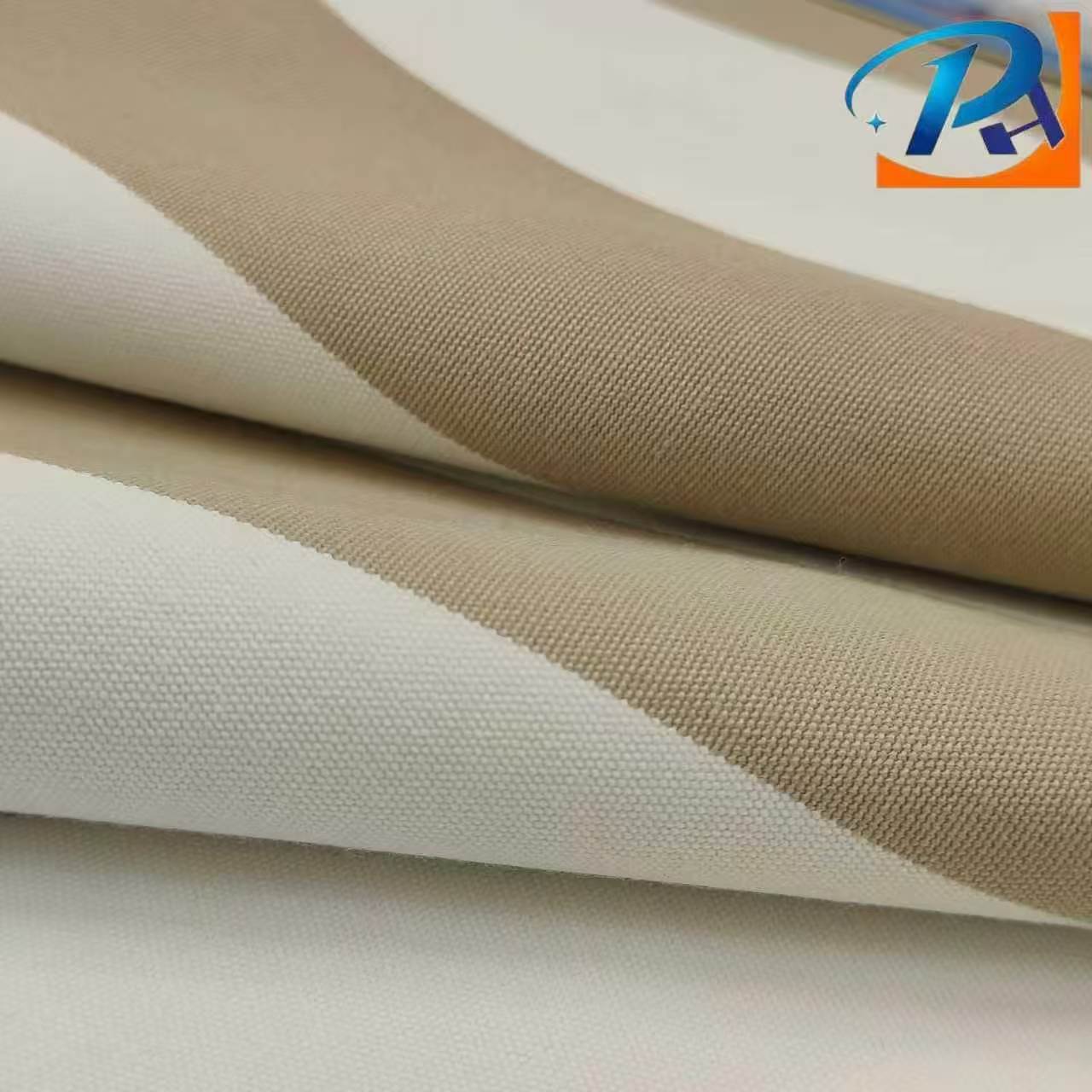
Acrylic fiber fabric, however, uses a solution-dyeing process, where pigments are infused into the fibers during production, not just coated on the surface. This results in exceptional colorfastness, maintaining its vibrancy for over five years, even under harsh outdoor conditions. It won't fade, turn yellow, or look old. Most high-end, visually appealing outdoor shading products use this fabric. The color range is extensive, including muted, solid, and classic versatile options, ensuring both aesthetics and durability.
2. Texture: Soft and Comfortable, High-Quality Feel
Many outdoor fabrics are made stiff and rough for water and UV resistance, which can be uncomfortable to touch and prone to wrinkles.
Acrylic fiber is the opposite! It has a soft, full-bodied feel, with a balance of softness and structure. It doesn’t wrinkle easily, and it maintains its shape. The texture is similar to thick cotton linen, feeling luxurious and comfortable. The clear and fine fabric pattern ensures that shade canopies and umbrellas have a great form, making them perfect for photos and far more attractive than ordinary outdoor fabrics.
3. Performance: The Ultimate Outdoor Tough Guy, Versatile and Durable
Acrylic fiber fabric holds its top position in the outdoor fabric world due to its robust performance, addressing key pain points:
- Superior UV Protection: Blocks over 90% of UV rays, providing real sun protection, preventing sunburn and tanning. The temperature under the shade is noticeably cooler, offering a natural cooling effect.
- Water and Stain Resistance: Naturally water-repellent, enhanced with Teflon triple-protection technology. Light rain rolls off without penetrating, and everyday dirt and stains wipe off easily. It resists mold and mildew.
- Breathability: Unlike plastic sheets, it’s highly breathable, keeping you cool and comfortable in the summer. Air can circulate, making it much more pleasant than coated fabrics.
- Durability and Longevity: With the best weather resistance among all yarns, it’s resistant to tearing and aging. It won’t crack from sun exposure or erode from wind and rain. It can last 8-10 years outdoors, providing long-term peace of mind.
- Mold and Insect Resistance: It doesn’t develop mold or attract pests, making it ideal for humid climates and coastal areas.
Comparison: Acrylic Fiber vs. Common Outdoor Fabrics
Many people wonder whether to choose polyester, Oxford cloth, cotton, or acrylic. Here’s a straightforward comparison to help you understand the pros and cons at a glance.
1. Polyester (Most Common Budget Option)
Polyester is widely used for its affordability and basic durability. However, it fades and yellows over time, and its waterproof coating can deteriorate, reducing its effectiveness. It also tends to trap heat, making it less comfortable in the summer.
Advantages of Acrylic: Acrylic fiber has superior colorfastness and UV resistance, lasting longer without frequent replacements. It’s breathable, making it more comfortable and durable for long-term outdoor use.
2. Oxford Cloth (Durable and Popular)
Oxford cloth is strong and tear-resistant, but its colors are dull, and the waterproof coating can harden and crack over time, leading to leaks and mold growth.
Advantages of Acrylic: Acrylic fabric offers a wider range of colors and better aesthetics. Its inherent water and UV resistance means no issues with coating deterioration, making it more stable and visually appealing for long-term use.
3. Cotton (Soft and Aesthetic)
Cotton is soft and breathable, but it’s not suitable for outdoor use as it absorbs water, fades, and molds easily, and has no UV protection.
Advantages of Acrylic: Acrylic combines the soft, high-quality feel of cotton with outdoor durability. It’s waterproof, UV-resistant, and mold-resistant, making it an excellent upgrade for outdoor settings.
4. PVC Coated Fabric (Budget Option for Construction Sites)
PVC-coated fabric is cheap and effective for blocking light and rain, but it’s heavy, non-breathable, and can become brittle and unattractive over time.
Advantages of Acrylic: Acrylic provides the same level of shading and protection, but it’s lighter, softer, and more durable. It’s also more aesthetically pleasing, making it suitable for both residential and commercial use.
Wide Range of Applications for Acrylic Fiber Fabric
This versatile fabric is perfect for any outdoor setting requiring shade, rain protection, and UV resistance, whether for home or commercial use.
- Home Use: Balcony shades, retractable awnings, outdoor table umbrellas, terrace sunshades, and garden pavilion covers.
- Leisure Use: Camping tarps, outdoor tents, poolside shades, and leisure sunroom shades.
- Commercial Use: Storefront awnings, outdoor umbrellas for cafes and coffee shops, street market rain shelters, and recreational shade structures in tourist areas.
- Special Environments: Coastal and humid regions, where its anti-mold, salt spray, and weather resistance make it an excellent choice.
Finally, I hope this sharing can be helpful to everyone!
Table of Contents
- First, let's immerse ourselves in the wonders of acrylic fiber fabric:
- 1. Color: Stays Fresh for Five Years, No Fading
- 2. Texture: Soft and Comfortable, High-Quality Feel
- 3. Performance: The Ultimate Outdoor Tough Guy, Versatile and Durable
- Comparison: Acrylic Fiber vs. Common Outdoor Fabrics
- Wide Range of Applications for Acrylic Fiber Fabric