 EN
EN
 AR
AR
 NL
NL
 FR
FR
 DE
DE
 HI
HI
 IT
IT
 JA
JA
 KO
KO
 PT
PT
 RU
RU
 ES
ES
 TL
TL
 IW
IW
 ID
ID
 VI
VI
 TH
TH
 TR
TR
 FA
FA
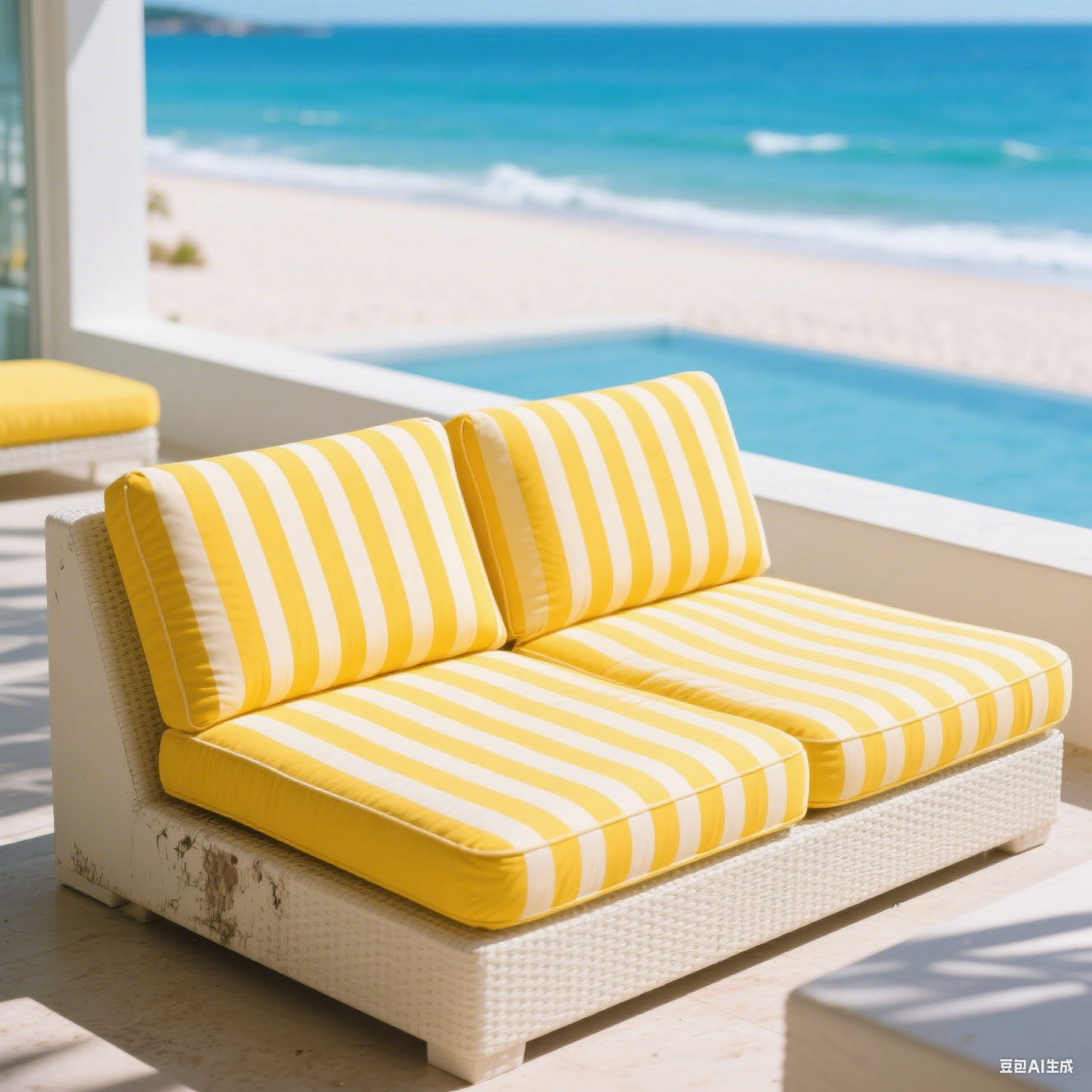
Acrylic is essentially the international generic name for acrylic fiber in the textile industry. "Liquid dyeing", on the other hand, is a game-changing production process - completely different from the traditional method of spinning first and then dyeing, it directly mixes the pigment into the polymer liquid before spinning and forms fibers through special techniques. This process enables the color molecules to deeply integrate with the fibers rather than merely adhering to the surface.
The six core advantages for conquering the outdoors
The "Ageless Legend" under the Sunlight
1.The greatest enemy of outdoor furniture is ultraviolet rays.
Ordinary fabrics will fade and turn white after being exposed to the sun for several months, while the light fastness of solution-dyed acrylic is as high as 7-8 grades, and its strength only decreases by 20% after being exposed to the open air for one year. It's like it was born for the sun - yacht canvas and awnings can still retain their original deep blue or Burgundy after years of scorching sun tests.
2. Waterproof and stain-resistant invisible shield
Coffee spilled, oil stains dripping? Just give it a gentle wipe. A nanoscale barrier forms on the surface of the fabric, and the liquid rolls down like dewdrops, preventing dirt from penetrating. This active defense mechanism turns outdoor cleaning from a burdensome scrubbing into a effortless task.
3. Strong "physical fitness"
- Highly wear-resistant: The breaking strength is ≥3.0 cN/dtex (approximately twice that of wool), and it is not prone to deformation even under frequent loads
- Chemical resistance: Resistant to salt water and cleaning agents, the perfect match for furniture by the swimming pool
4. Environmental protection starts from the source
Eliminating the dyeing process means reducing sewage discharge by tens of thousands of tons every year. The original liquid coloring process directly avoids the toxic wastewater and heavy metal pollution produced by traditional dyeing, which is in line with the global trend of green manufacturing. Choosing this kind of fabric is a silent practice of sustainable living.
5. The infinite possibilities of the color library
From the classic navy blue and Chinese red to the fashionable lemon yellow and emerald green - currently, 21 standard color series have been developed, and customized colors are supported. The stable dispersion of pigments within the fibers makes the colors rich and uniform, saying goodbye to the trouble of uneven dyeing.
6. Dual care for touch and temperature
Although it is a synthetic fiber, its fluffiness and warmth retention are comparable to those of wool (the warmth retention is even 15% higher than that of wool). The fabric, after anti-static treatment, is skin-friendly and soft. Even on a damp spring morning, sitting on an outdoor sofa won't make you feel sticky or uncomfortable.
The Golden CP of Outdoor Furniture: Application Scenario Analysis
1.Courtyard sofas and cushions
The thick fabric with a weight of 260-400g/m² provides excellent support. Combined with high-resilience fillers, it does not collapse even after prolonged sitting. The bright colors of bright green and orange instantly brighten up the courtyard.
2. Sunshade umbrellas and tarpaulins
It is resistant to wind tearing while remaining lightweight. Dark colors such as royal blue and dark green can efficiently absorb ultraviolet rays, reducing the temperature under the umbrella by 3 to 5 degrees Celsius.
3. Outdoor tablecloth and cushions
The easy-to-clean feature is highly effective in dealing with food grease stains. The surface smoothness is enhanced through the low-temperature calendering process, and stains can be wiped clean with just one wipe.
4. Yacht and resort furniture
Its resistance to salt water corrosion makes it the top choice for seaside scenes. Navy blue, light gray and other tones blend harmoniously with the Marine environment