
 EN
 AR
 NL
 FR
 DE
 HI
 IT
 JA
 KO
 PT
 RU
 ES
 TL
 IW
 ID
 VI
 TH
 TR
 FA
With over a decade of experience in outdoor textile industry, I constantly get asked by clients: Is fluorine-free waterproofing a downgrade? Will the waterproof performance decline? Does it come with a skyrocketing price tag? Today, we will skip complicated chemical jargon and break down this topic in plain language.
1. How Did Traditional Awning Fabrics Achieve Waterproofing? What Exactly is Teflon (Fluorinated PFAS)?
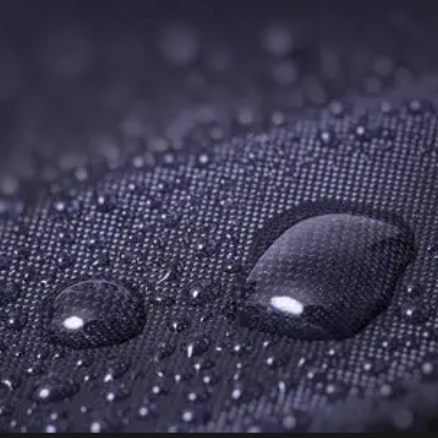
In the early days, high-end outdoor umbrella fabrics relied on fluorinated waterproofing agents (PFAS, known as "forever chemicals"). Simply put, a super non-stick chemical film is coated onto the surface of fabric fibers. This coating delivers outstanding performance: rainwater and oil droplets bead up and slide off effortlessly. It offers excellent waterproofing, stain resistance and abrasion resistance, retaining its functionality after extensive use.
However, it has a fatal flaw: extremely low biodegradability. Once the coating ages and flakes off, tiny fluorinated compounds leach into soil and groundwater, persisting in the environment for decades or even centuries. These substances also bioaccumulate in living organisms, hence the nickname "forever chemicals".
China has listed substances such as PFOA and PFOS in the Inventory of Key Controlled New Pollutants. The EU, California & New York (USA), France and other regions have rolled out bans restricting PFAS usage in textiles. In short: for outdoor umbrellas exported overseas, traditional fluorinated Teflon coatings will trigger customs detention and heavy fines for brands. Environmental compliance is no longer an optional bonus — it is a mandatory entry ticket.
This is the core driver behind fluorine-free waterproofing. Manufacturers are not pursuing new processes arbitrarily; global regulations force the industry to phase out fluorine-based chemistries.
Key takeaway: Fluorine-free ≠ non-waterproof. It eliminates fluorinated chemicals and adopts alternative mechanisms to create the lotus leaf water-repellent effect.
2. Three Generations of Fluorine-Free Waterproof Technology: From Unusable to Weatherproof for Outdoor Exposure
Many negative perceptions of fluorine-free waterproofing stem from the first-generation outdated products. Below is a chronological breakdown:
Generation 1: Paraffin / Simple Silicone-based Fluorine-Free (Early Trial Version)
Principle: A wax-like substance is applied onto fiber surfaces to form water beads. Advantages: 100% fluorine-free and low cost. Drawbacks: Poor UV and rain erosion resistance. After 2–3 months of outdoor exposure, the wax layer deteriorates and fails upon rain wash. The fabric also feels sticky and attracts heavy dust. Field tests by our clients showed fabric leakage after merely one rainy month. Back then, the industry widely agreed fluorine-free treatments were only suitable for indoor use, not outdoor applications.
Generation 2: Modified Silicone + Compound Resin (Current Mainstream Technology)
Formulated by engineers, this system combines silicone with acrylic and polyurethane. Instead of simply applying a wax layer or a surface film, it builds micro hydrophobic structures on individual yarn fibers to replicate the lotus effect. When raindrops hit the uneven microstructures, they merge into beads and roll away without penetrating fabric gaps. This is the widely adopted fluorine-free DWR (Durable Water Repellent) finish for today’s outdoor umbrella fabrics.
✅ Advantages: Greatly improved weather resistance. Paired with solution-dyed polyester or acrylic umbrella fabrics, it maintains stable waterproof performance under long-term sun and rain exposure, meeting requirements for patio umbrellas and commercial shade umbrellas. The fabric stays crisp and non-sticky, PFAS-free and fully compliant for exports to the EU and North America.
⚠️ Limitations: Oil resistance is inferior to fluorinated Teflon. For food market stalls selling fried food, heavy grease splatters are hard to wipe off. But rain and dew protection — the core requirement for outdoor shade umbrellas — works perfectly. Another minor downside: water repellency gradually wears down under repeated heavy friction and prolonged heavy rain, requiring periodic maintenance. Fluorinated Teflon has a longer abrasion-resistant lifespan by comparison.
Generation 3: Biomimetic Covalently Bonded Fluorine-Free Technology (Next-Gen Innovation)
Inspired by springtails in soil with natural waterproof exoskeletons, this cutting-edge technology abandons conventional surface coating. Via chemical reactions, it grows a silica hydrophobic shell directly on fiber surfaces. The shell bonds firmly to fibers through chemical bonds rather than sitting as a loose attached film.
Benefits are obvious: superior friction resistance, wash durability and UV stability with drastically extended waterproof service life. The main constraint is high processing cost. It remains in small-batch trial production and is not yet mass-produced for standard umbrella fabrics. Commercial rollout is expected in the next 2–3 years.
Summary of technology evolution: Gen1 for lab demonstration only; Gen2 for practical commercial use; Gen3 to match or even outperform traditional fluorinated waterproofing in durability.
3. Application Scenarios: Which Cases Suit Fluorine-Free Waterproofing & What Are the Trade-offs?
A common pitfall for buyers: evaluating fluorine-free finishes against the full triple performance standard of fluorinated treatments. Let’s categorize use cases:
- Residential patio umbrellas, campsite shade umbrellas, commercial outdoor umbrellas For 95% of these scenarios, Generation 2 compound fluorine-free waterproof fabric is the preferred choice. These sites mainly withstand rain and dew with minimal heavy grease contamination. It achieves Grade 5 water repellency with beading and no water penetration. Combined with Grade 7–8 solution-dyed fabric with exceptional UV resistance and color fastness, it delivers eco-compliance and removes PFAS testing risks for overseas orders.
- Food & fried food market stall canopies Heavy grease exposure weakens fluorine-free oil resistance. Clients need to be informed upfront: fluorine-free treatment repels water but allows easier oil penetration, requiring more frequent cleaning. If clients demand both top-tier waterproof and oil resistance, only fluorinated products under regulatory exemptions are available for now, yet these cannot be exported.
Industry insight: Fluorine-free finish is not a perfect replacement. It is the optimal solution to prioritize rain protection while meeting environmental compliance. Outdoor shade umbrellas are designed primarily for sun and rain protection, not heavy grease resistance, making fluorine-free highly compatible for most applications.
An extra benefit: fluorine-free coatings have minimal impact on fabric color fastness. Many fluorinated treatments slightly compromise color stability of acrylic and solution-dyed polyester. High-quality fluorine-free formulations preserve solution-dyed fibers and prevent yellowing or discoloration, matching the global trend of low-saturation color palettes for outdoor soft furnishings.
4. Industry Application Prospect: Not an Optional Upgrade, but a Standard in the Next 3–5 Years
4.1 Export Orders: Compliance Forces Technology Transition
European and North American brands now require PFAS test reports as mandatory procurement documents for outdoor umbrellas. Many legacy manufacturers still use old C6 fluorinated waterproof agents. Note: although C6 is shorter-chain than old C8, it still falls under PFAS and is restricted under new EU regulations. Many brands only rush to reformulate after receiving customs warnings. For export-focused shade fabric manufacturers, fluorine-free waterproofing will become a basic requirement rather than a selling point.
4.2 Domestic Market: Rising Demand for Eco-Friendly Products
More tenders for domestic campsites, high-end residential patio projects and commercial districts specify low-VOC and zero hazardous new contaminants. End consumers also show growing environmental awareness. Many brands adopt fluorine-free fabrics to build sustainable product lines and gain better premium margins.
4.3 Existing Industry Bottlenecks
- Cost: Premium compound fluorine-free waterproof agents cost more than traditional fluorinated chemicals, leading to a moderate uplift of fabric ex-factory price. However, the price gap keeps narrowing as domestic chemical producers scale up mass production.
- Performance ceiling: Current Gen2 fluorine-free treatments cannot fully match premium Teflon in heavy oil resistance and extreme abrasion durability. Nevertheless, rapid R&D of Gen3 biomimetic fluorine-free technology is closing this performance gap.
5. Conclusion
From an insider’s perspective, fluorine-free waterproofing is no marketing gimmick. It is a technological transformation driven by environmental policies and global supply chain shifts.
For patio umbrellas, campsite shade canopies and commercial outdoor umbrellas mainly exposed to rain, high-quality Generation 2 fluorine-free waterproof fabric is recommended. It balances eco-compliance, UV stability and rain protection with zero PFAS risks for export shipments. For stall canopies under continuous heavy grease exposure, clients must be fully informed of fluorine-free oil resistance limitations and set realistic expectations for maintenance.
Long-term outlook: Once Gen3 biomimetic fluorine-free technology achieves mass production and cost reduction, fluorine-free waterproof systems will dominate nearly all conventional outdoor umbrella fabrics. Fluorinated Teflon will be limited to niche industrial protective applications under regulatory exemptions. The fluorine phase-out for general outdoor textiles is an irreversible trend.
Table of Contents
- 1. How Did Traditional Awning Fabrics Achieve Waterproofing? What Exactly is Teflon (Fluorinated PFAS)?
- 2. Three Generations of Fluorine-Free Waterproof Technology: From Unusable to Weatherproof for Outdoor Exposure
- 3. Application Scenarios: Which Cases Suit Fluorine-Free Waterproofing & What Are the Trade-offs?
- 4. Industry Application Prospect: Not an Optional Upgrade, but a Standard in the Next 3–5 Years
- 5. Conclusion