 EN
EN
 AR
AR
 NL
NL
 FR
FR
 DE
DE
 HI
HI
 IT
IT
 JA
JA
 KO
KO
 PT
PT
 RU
RU
 ES
ES
 TL
TL
 IW
IW
 ID
ID
 VI
VI
 TH
TH
 TR
TR
 FA
FA
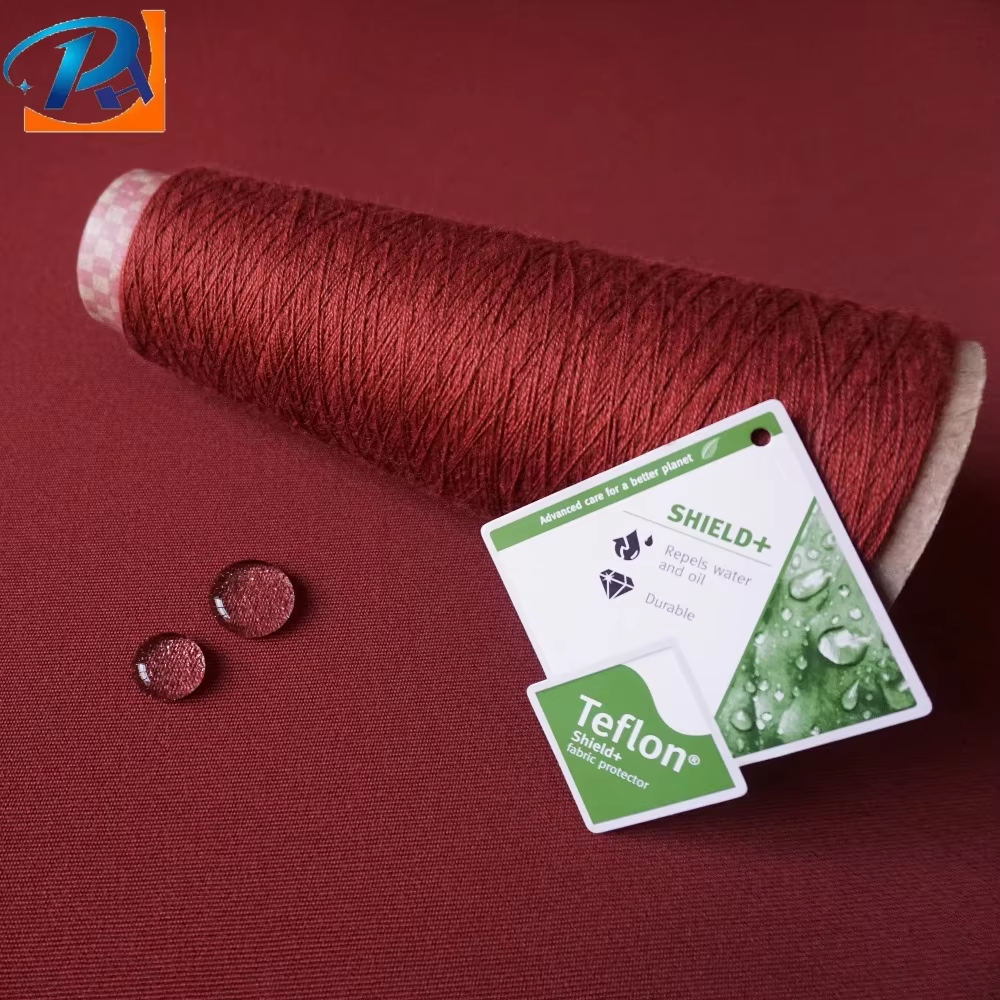
As a textile enthusiast and environmental advocate, I have recently been deeply attracted by a fabric technology called "original liquid dyeing acrylic". It is not merely a new material; it is more like a smart step taken by the textile industry towards sustainable development! Today, let's lift the veil of mystery together and see how it changes our perception of color and environmental protection from the source.
I. Pain Points of Traditional Dyeing: The Cost Behind the Glamorous Appearance
Recall the familiar fabric dyeing process: snow-white yarns or greets are sent into huge dyeing vats and undergo repeated soaking, washing and chemical treatment before they can be dressed in the colors we love. This process consumes an enormous amount of water resources (just thinking about those figures is astonishing!) The production of wastewater rich in dyes and auxiliaries exerts considerable pressure on the ecological environment. Not to mention that sometimes the color will fade and become old after being washed too much, which is really a headache.
Ii. Original Liquid Dyeing: Subverting tradition, coloring starts from the "core"
So, where lies the charm of the "original liquid staining" technique? The key lies in the word "original"! Imagine this: in the initial stage of producing acrylic fibers - when those chemical raw materials are still in a viscous "original liquid" state, precisely measured, ultra-fine color masterbatches are directly mixed into them. Just like stirring pigments into dough, the colors are evenly "woven" into the "genes" of each fiber.
Next, this solution with its "original color" is spun, stretched and shaped, and eventually becomes colored fiber filaments. Colour is no longer a "garment" added on the surface, but an inherent "essence"!
Iii. The shining advantages of Acrylic Dyed in the original solution:
1. Environmental protection Pioneer, Green Responsibility
Water-saving giant: They directly cut off the subsequent dyeing and finishing processes. Just think about those dyeing vats and water washing tanks? None at all! The water-saving rate can reach up to 70% or even higher, which is of great significance to water-scarce areas.
Emission reduction expert: Eliminating dyeing means significantly reducing energy consumption (heating dyeing solutions, drying) and the use of chemicals (dyes, auxiliaries), notably lowering carbon emissions and wastewater discharge, and contributing to the green mountains and clear waters.
Minimal pollution: The amount of waste liquid generated during the production process is extremely small and easier to handle, significantly reducing the environmental burden.
2. Outstanding color fastness, long-lasting and fresh
Because the color "grows" inside the fibers, it has extraordinary color fastness. No matter it is exposed to sunlight (with excellent light resistance), frequent washing, or rubbing and sweating, it is very difficult to make it lose its luster. Your sportswear, outdoor gear and sofa covers can all remain as bright as new for a long time, saying goodbye to the embarrassment of "looking old after a few washes".
3. High efficiency and energy conservation, resource optimization
The production process has been significantly shortened, eliminating the complex procedures of the dyeing and finishing factory and saving time, labor and energy consumption. The entire supply chain has become more efficient and streamlined.
Iv. Where did it shine brightly?
Acrylic dyed in its original liquid, with its excellent weather resistance, color durability and environmental friendliness, is widely used in:
Outdoor equipment: tents, sunshades, outdoor furniture fabrics (not afraid of wind, sun or rain).
Sports and Fashion: Sportswear, swimsuits, T-shirts, socks (bright and long-lasting colors, washable and sweat-resistant).
Home decoration: Sofa, curtains, carpets (not easy to fade after long-term use, beautiful and durable).
Automobile interior: Seat fabric, interior parts (meeting high requirements for light resistance and wear resistance).
Brands pursuing sustainability: An increasing number of brands that emphasize environmental protection concepts are choosing it as an important option to showcase their sustainable commitment.
V. Challenges and the Future
Of course, any technology has room for improvement. In the past, liquid dyeing might have been slightly inferior to traditional dyeing in terms of color richness and flexibility (quick color change in small batches). However, with the rapid advancement of masterbatch technology and spinning processes, these gaps are narrowing rapidly! Color matching is becoming increasingly precise, and the color spectrum is getting wider and wider.
Embrace colors, and embrace the Earth
The original liquid dyed acrylic fabric offers us a smarter and more responsible choice. It proves that we don't have to make a single-choice question between the brilliant colors and the health of the Earth. When color emerges from the source of fibers, it not only brightens our lives but also illuminates the path for the textile industry towards a green future.
Next time when you choose a brightly colored and durable acrylic product, you might as well pay attention to whether it is a product of "original liquid dyeing". Choosing it means casting a precious vote for environmental protection, allowing fashion and sustainability to truly go hand in hand!